

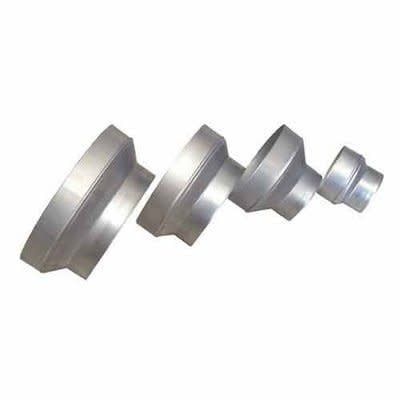
25.94
In stock
Shipped within 1 day
Shipped within 1 day
14 days to return
Secure payment
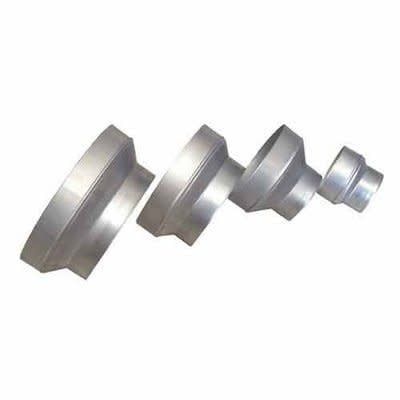
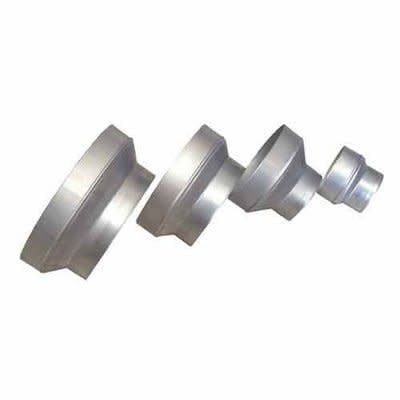
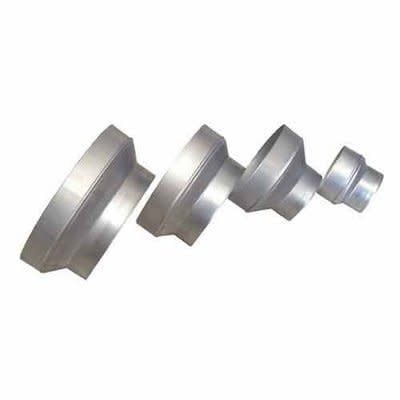
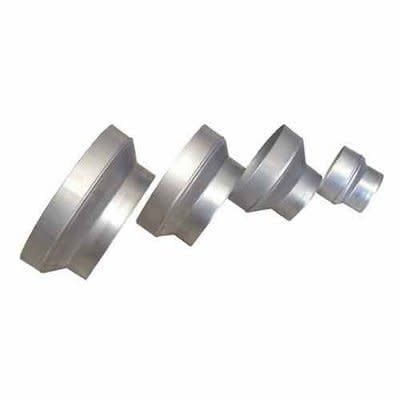
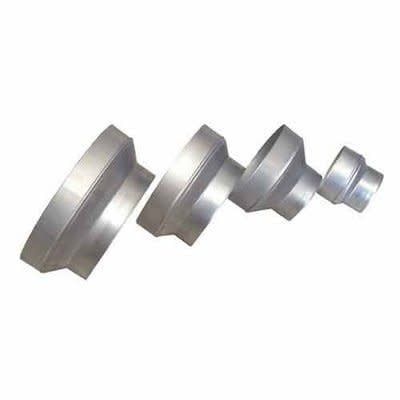
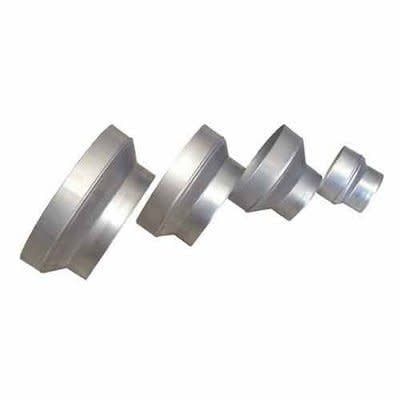
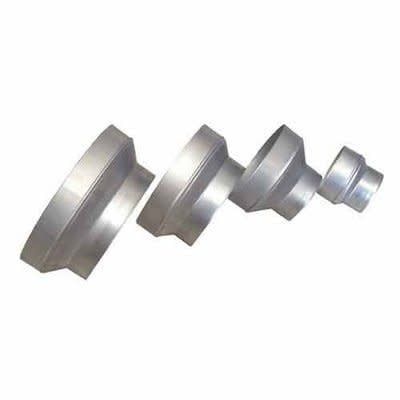
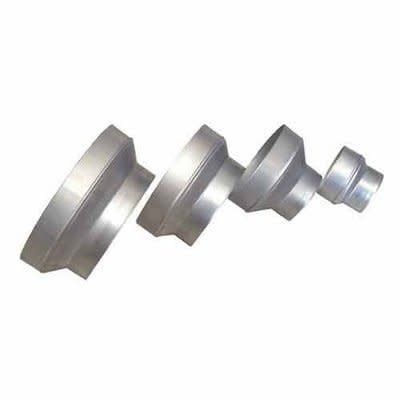
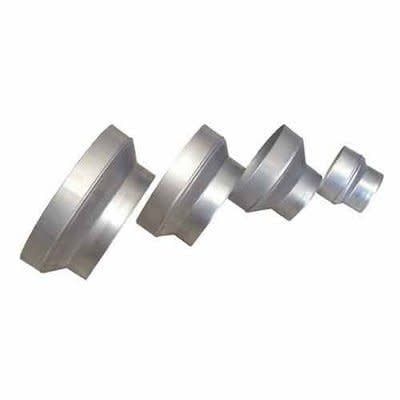
A duct reducer joins two different diameters in your ventilation system. Match both ends to the duct, filter or extractor connection. Our range contains 13 Spiro reducers with size combinations from 125 to 406 mm. We help you choose the correct diameters and fit for your grow tent or grow room ventilation.
13 products
25.94
In stock
Shipped within 1 day
14 days to return
Secure payment
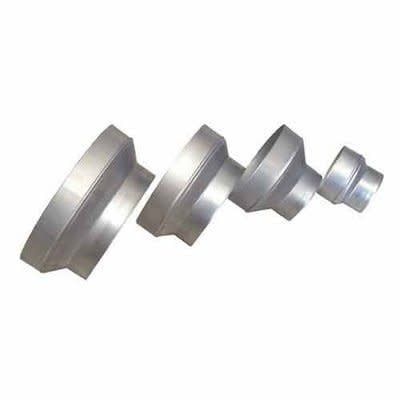
18.20
In stock
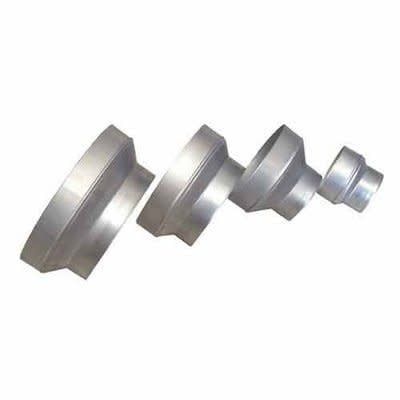
20.15
In stock
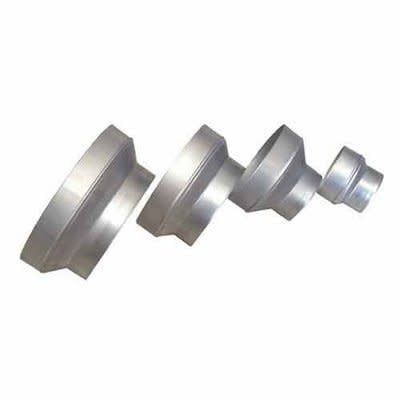
18.20
In stock
9.75
In stock
8.45
In stock
Shipped within 1 day
14 days to return
Secure payment
6.83
In stock
11.05
In stock
5.85
In stock
5.14
In stock
6.44
In stock
Shipped within 1 day
14 days to return
Secure payment
5.07
In stock
4.23
In stock
Start with the two components you want to join. Note each connection diameter in millimetres. For 160 mm ducting and a 200 mm connection, look for a 160/200 mm reducer. A 125/160 mm reducer bridges a different pair of sizes: matching only one end is not enough.
Next, check the fit. Does the reducer need to slide inside flexible ducting, over a spigot or onto another fitting? Nominal diameter alone does not establish how two parts fit together. Measure existing connections if needed and leave enough room to secure them.
All 13 versions are from Spiro, with combinations from 125/160 to 355/406 mm. Select the pair you actually need and avoid joining several intermediate reducers.
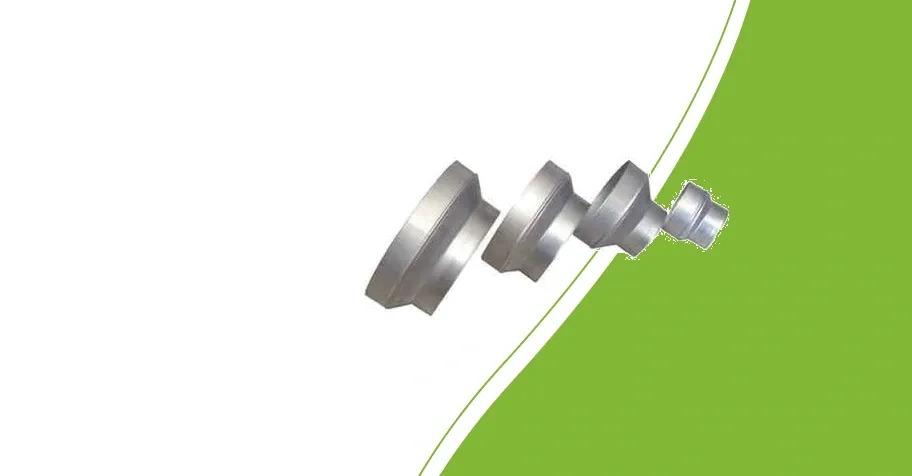
Replacing an extractor or carbon filter? Compare the old and new connection sizes before ordering. A reducer can bridge the difference, but it does not establish the capacity of the complete system. Check your ventilation ducting diameter and length as well.
Where possible, choose ducting, a filter and a fan with connection sizes that fit directly. If a size change is necessary, use one suitable reducer and assess the entire air path. For equal diameters, choose a duct connector instead of a reducer.
A reducer changes the connection size. It does not make undersized ducting suitable for every airflow. Required air volume, duct diameter, duct length, bends and the filter all contribute to resistance. A smaller diameter can increase pressure loss at the same airflow, so do not automatically choose the smallest duct.
Both diameters and the available insertion space suit the connected components.
The flexible duct has no sharp kink at the connection.
Each duct joint has suitable fixing and sealing.
The ductwork is supported independently and does not pull on the filter or fan.
Use duct clamps with the correct adjustment range for flexible ducting. Fixing and sealing have separate jobs: a clamp holds the joint, while sealing closes the gap. After assembly, check for loose connections and air leaks.
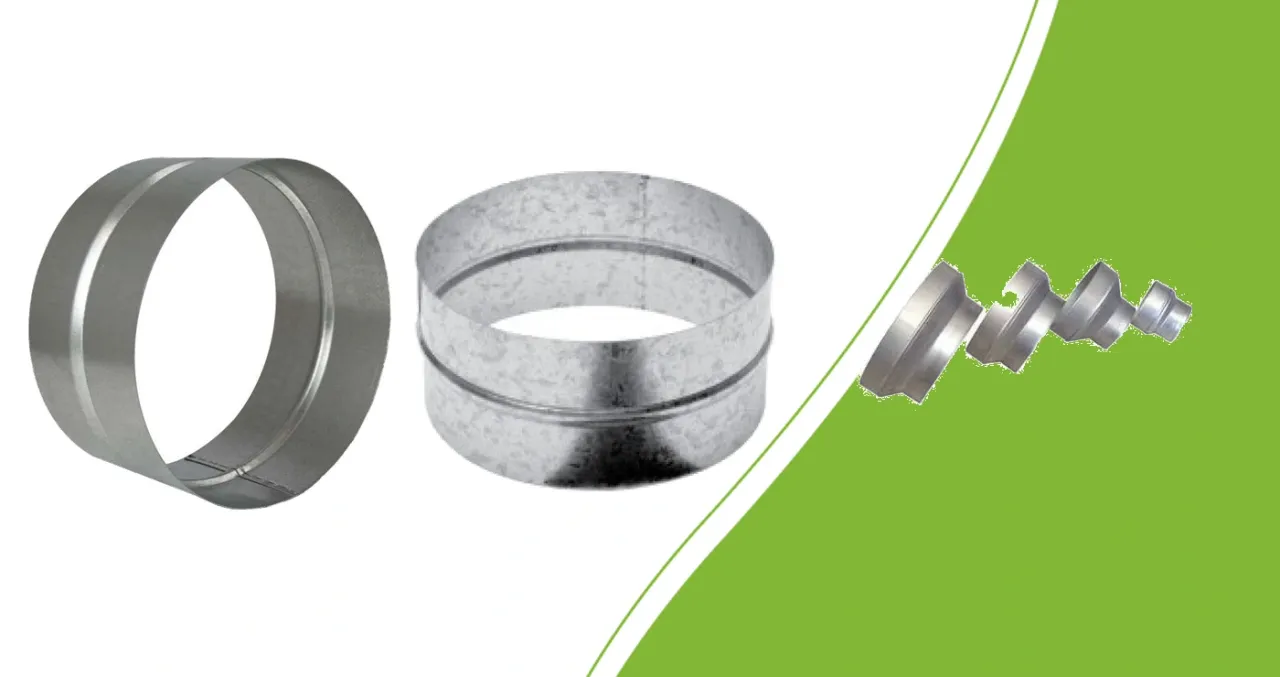
Match flanges, connectors and reducers by function and fit. Check both ends and avoid assuming that 125 mm and 127 mm are interchangeable.
Read more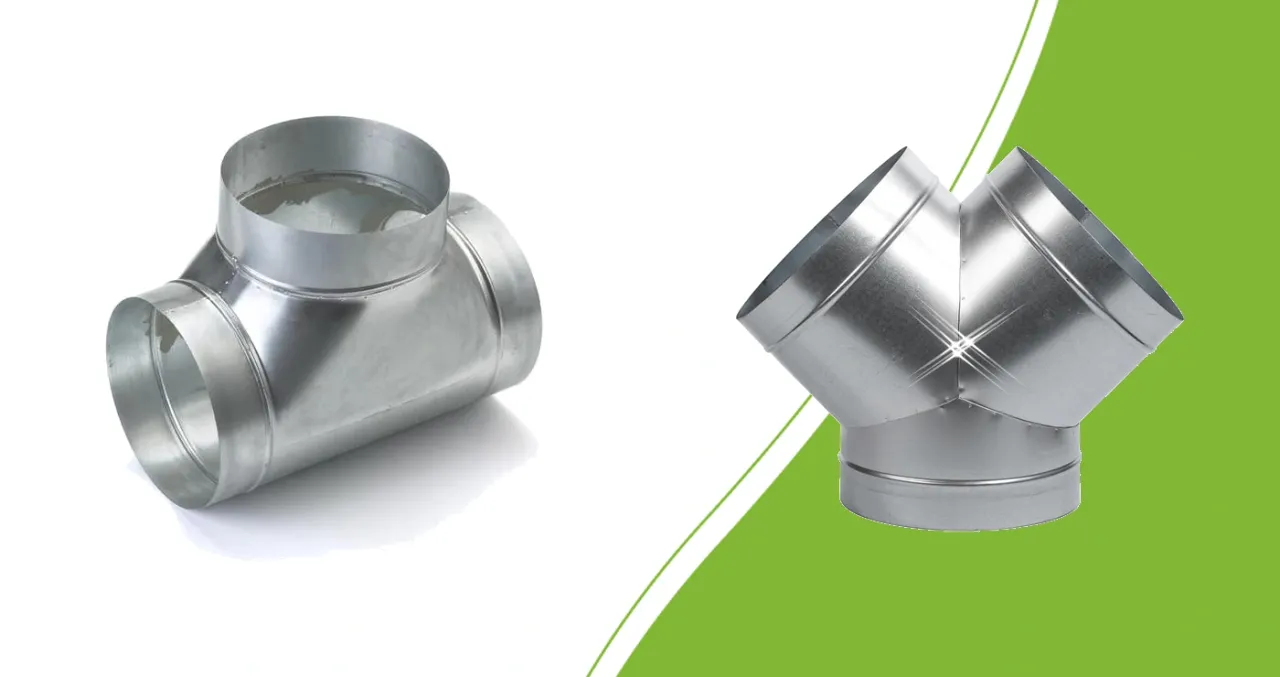
Compare right-angle and angled branches. Choose a tee or Y-piece by the duct route, and understand why two outlets do not guarantee equal airflow.
Read more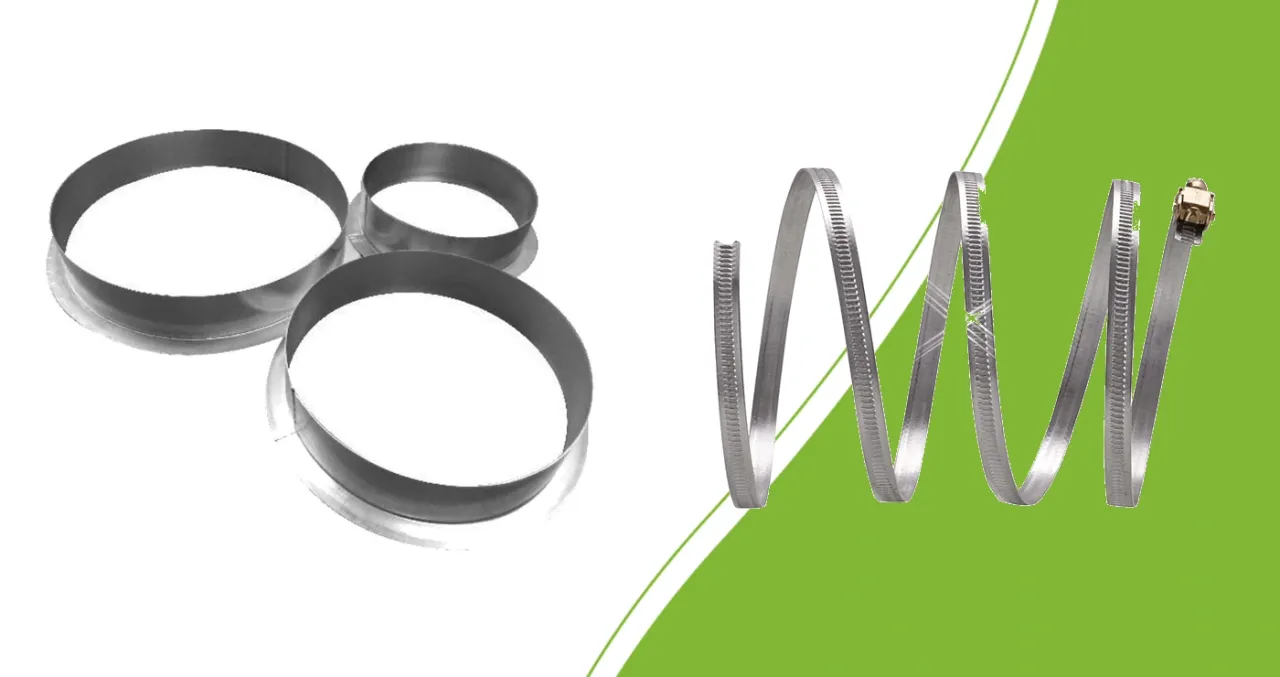
Fit flexible ducting without distorting the connection. Choose the correct clamp range and treat fixing, sealing and support as separate tasks.
Read moreTell us the diameters and connection types on your ducting, filter or extractor. We will help you choose a suitable reducer and the fixing you need.
Both connection diameters recorded
Fit and insertion space checked
Clamp range matched to the joint
Duct route free from sharp kinks
