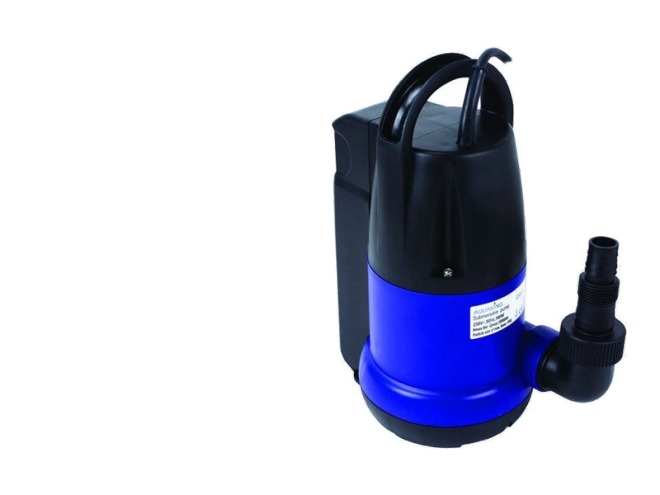


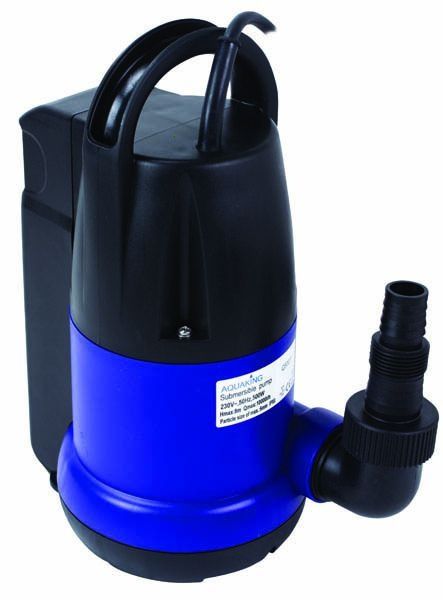
Aquaking Q50011 water pump, 10,000 l/h
0 reviews0 out of 5 stars
One of the biggest advantages of the AquaKing Q50011, is that it features an internal float. The internal float makes this submersible pump excellent for
Read more57.50
In stock
Shipped within 1 -2 days
Shipped within 1 -2 days
14 days to return
Secure payment
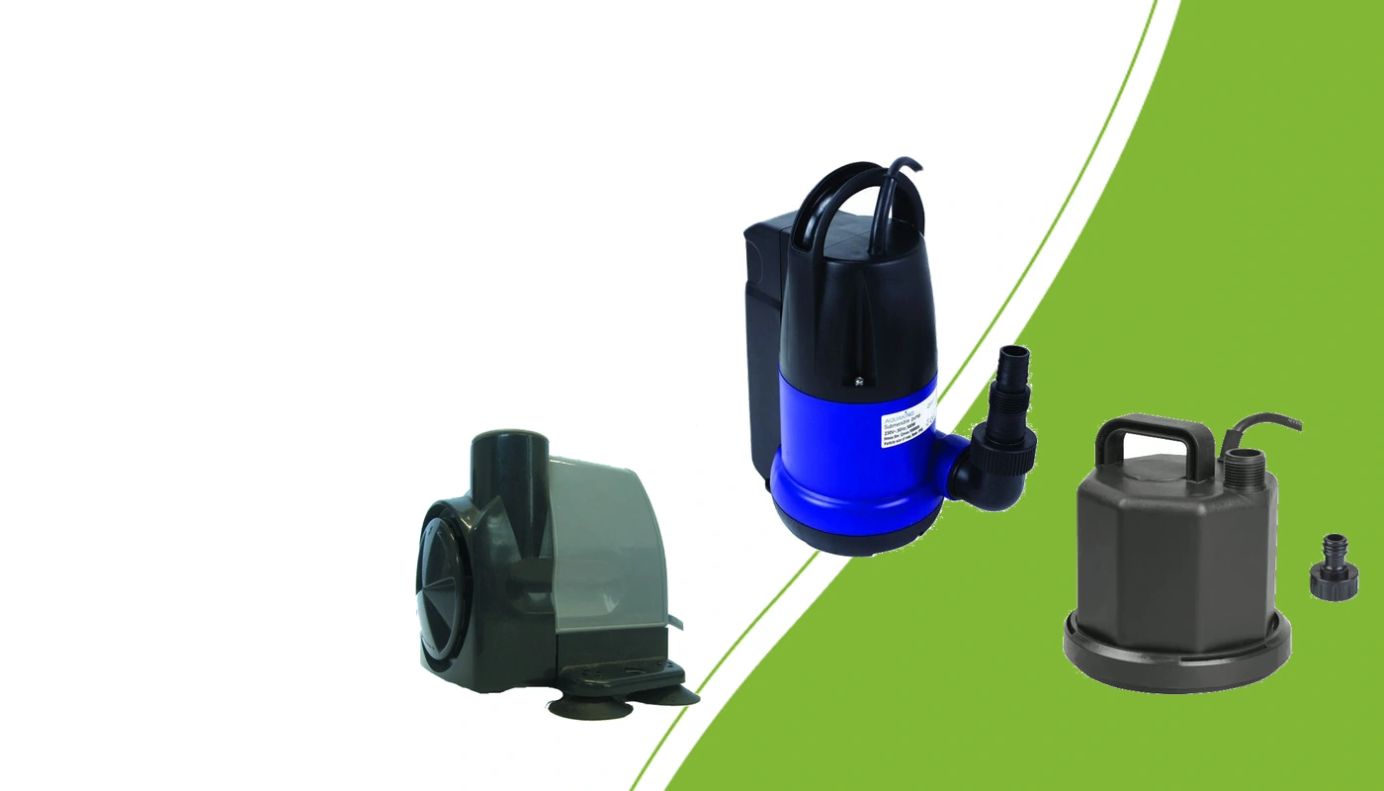
Choose your water pump for the job: circulating nutrient solution, emptying a tank or removing shallow standing water. Our AquaKing range includes circulation pumps, submersible pumps and a low-level pump. Check head height, connections and liquid suitability alongside litres per hour.
5 products
One of the biggest advantages of the AquaKing Q50011, is that it features an internal float. The internal float makes this submersible pump excellent for
Read more57.50
In stock
Shipped within 1 -2 days
14 days to return
Secure payment
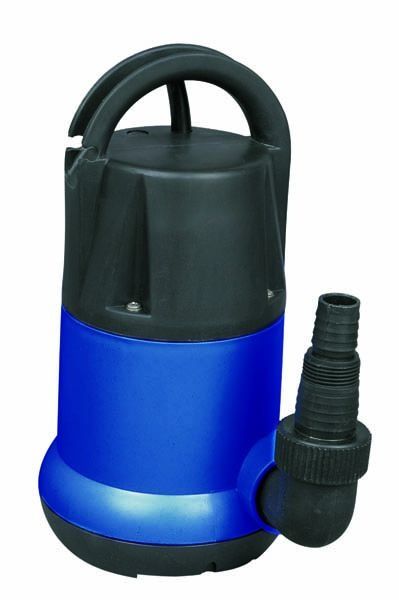
So with the AquaKing, you make sure you can pump out your excess water safely and quickly. Therefore, one of the advantages of this product
Read more57.50
In stock
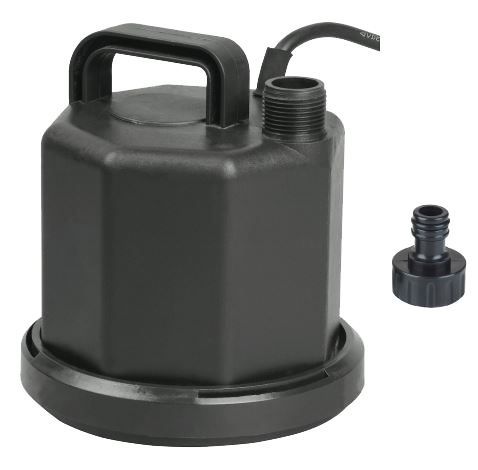
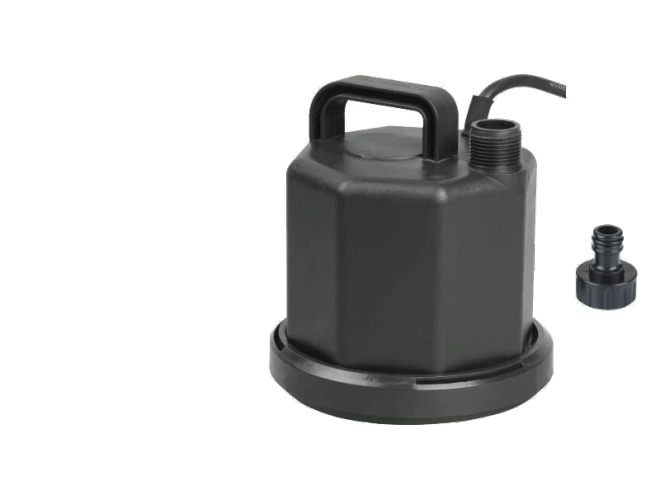
This flat-suction submersible pump is ideal as a basement pump during floods.The Q2001 sucks the water up to a water level of about 2 mm.
Read moreOriginal price59.95
Sale price 47.95
In stock
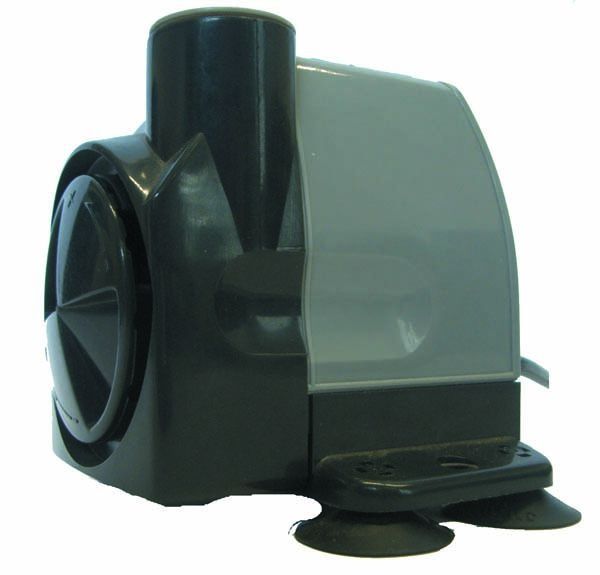
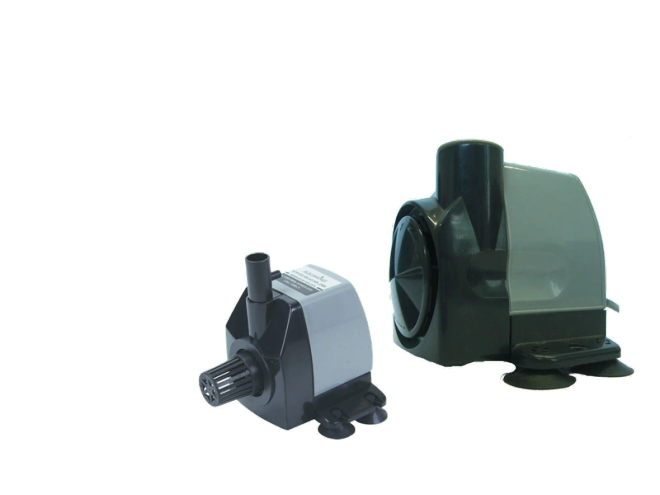
The Aquaking HX-4500 circulation pump is suitable for 24/7 use. Because the pump can be left on continuously, it is ideal for circulating feed water
Read more39.95
In stock
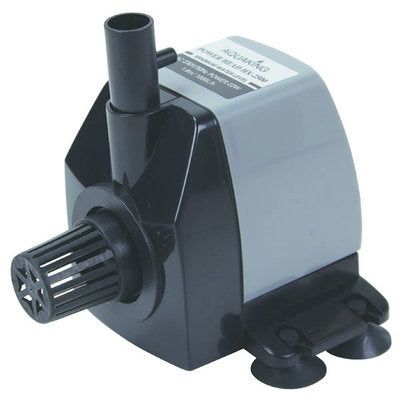
The Aquaking HX-2500 circulation pump is suitable for continuous use. So it can be on 24/7. It is ideal for circulating feed water in a
Read more19.95
In stock
For circulating nutrient solution, start with a compact circulation pump such as the AquaKing HX-2500 or HX-4500. For moving larger volumes of water, consider the Q50011 and Q5503. The Q2001 low-level pump is the focused choice when you need to remove shallow standing water.
Before buying, note the vertical lift, hose length and required flow at the outlet. For drip irrigation, also check the operating pressure your emitters need. A high litres-per-hour rating does not establish that a pump will deliver enough pressure for your system.
Check liquid suitability, minimum water level and connection sizes too. Circulation and tank drainage are different jobs; a larger flow rating alone is no reason to choose a more powerful pump.
AquaKing HX-2500 · AquaKing HX-4500 · AquaKing Q50011 · AquaKing Q5503 · AquaKing Q2001
| Specification | AquaKing HX-2500 | AquaKing HX-4500 |
|---|---|---|
| Maximum flow rate | 1,000 l/h | 2,000 l/h |
| Maximum head | 1.6 m | 2.8 m |
| Rated power | 22 W | 36 W |
| Outlet diameter | 14.5 mm | 20 mm |
Maximum flow rate and maximum head are separate limits. A pump does not deliver its maximum flow at its maximum height. Actual delivery depends on the pump curve and resistance from hoses, bends, filters and outlets.
Measure the vertical lift to the outlet and note the pipe length and internal diameter. Check that enough water will arrive under those conditions. A 20 mm outlet does not establish compatibility with every hose or fitting marked 20 mm.
The HX table compares two circulation pumps. The Q50011 and Q5503 are submersible transfer pumps with maximum flow ratings of 10,000 and 11,000 l/h and rated power of 500 and 550 W respectively. Those higher figures do not automatically make them better for circulating a small nutrient reservoir.
Tell us the application, vertical lift, hose size and required water flow. We can help you assess a suitable pump.


Nutrient bottles do not all serve the same purpose.
Read more
Feeding schedules often give millilitres per litre.
Read moreChoose the hose, barb and thread as one compatible combination. Check internal diameter, thread size and sealing; never force a connection. Keep the inlet clear and position the pump as required for your model.
After installation, test the pump with water and check for leaks and actual flow. Disconnect power before cleaning and use a method suitable for the pump and liquid.
A pump circulating continuously has different running hours from a pump used briefly to empty a tank. Estimate kWh using watts ÷ 1000 × running hours.
At a constant input of 22 W for 24 hours, the result is 0.528 kWh per day. This is a calculation example; actual consumption depends on the pump and operating conditions. First check that the pump performs the required job.