

'%3e%3cpath%20d='M256.193%20190.454C144.428%20312.692%20176.479%20435.669%20204.6%20468.797L229.582%20505.181L432.232%20301.591L577.639%2059.206C506.006%201.2884%20365.694%20-109.814%20377.511%20-90.8845C392.282%20-67.2222%20395.898%2037.6564%20256.193%20190.454Z'%20fill='%2382B735'/%3e%3cpath%20d='M251.193%20182.454C139.428%20304.692%20171.479%20427.669%20199.6%20460.797L224.582%20497.181L427.232%20293.591L572.639%2051.206C501.006%20-6.7116%20360.694%20-117.814%20372.511%20-98.8845C387.282%20-75.2222%20390.898%2029.6564%20251.193%20182.454Z'%20stroke='%2382B735'/%3e%3c/g%3e%3cdefs%3e%3cclipPath%20id='clip0_4018_1967'%3e%3crect%20width='456'%20height='238'%20fill='white'/%3e%3c/clipPath%3e%3c/defs%3e%3c/svg%3e)
Measuring & calibration 2 min
EC, mS/cm, µS/cm and ppm: compare readings correctlyConvert mS/cm and µS/cm and check the ppm scale. Compare measurements using the same method and unit.
Read moreShipped within 1 day
Shipped within 1 day
14 days to return
Secure payment
Choose meters for nutrient solution, substrate and your grow room climate. Greendiscounter offers pH and EC meters, calibration solutions, thermo-hygrometers, CO₂ sensors and measuring jugs. Start with what you need to measure, then choose the right meter, probe and maintenance products.
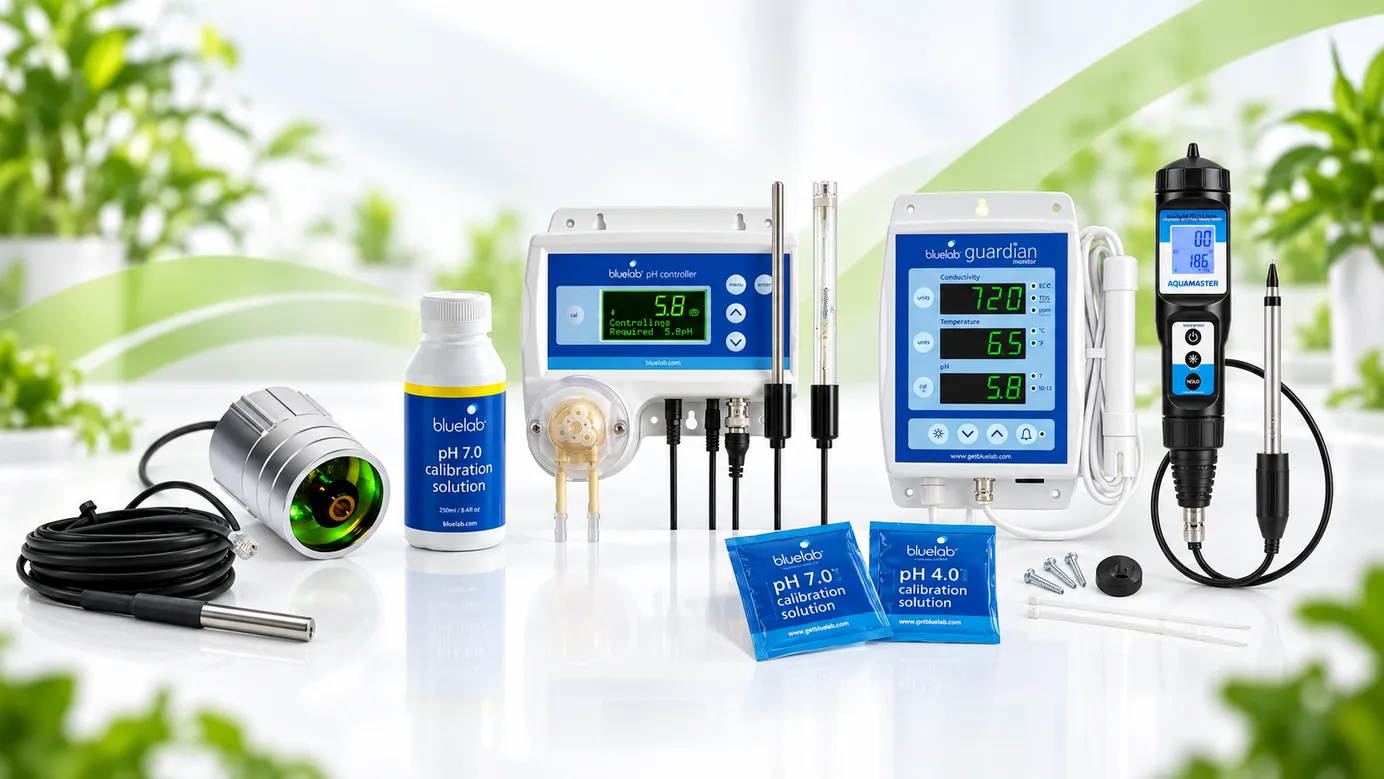






Nutrient solution calls for a pH meter, EC meter or combo meter. pH describes acidity or alkalinity; EC measures electrical conductivity. A combo meter brings several measurements together in one device.
For direct substrate measurements, choose a suitable probe. Use a thermo-hygrometer for temperature and relative humidity. A separate CO₂ or climate sensor needs the matching control system.
Browse pH and EC meters · Choose a thermo-hygrometer · Read our meter selection guide
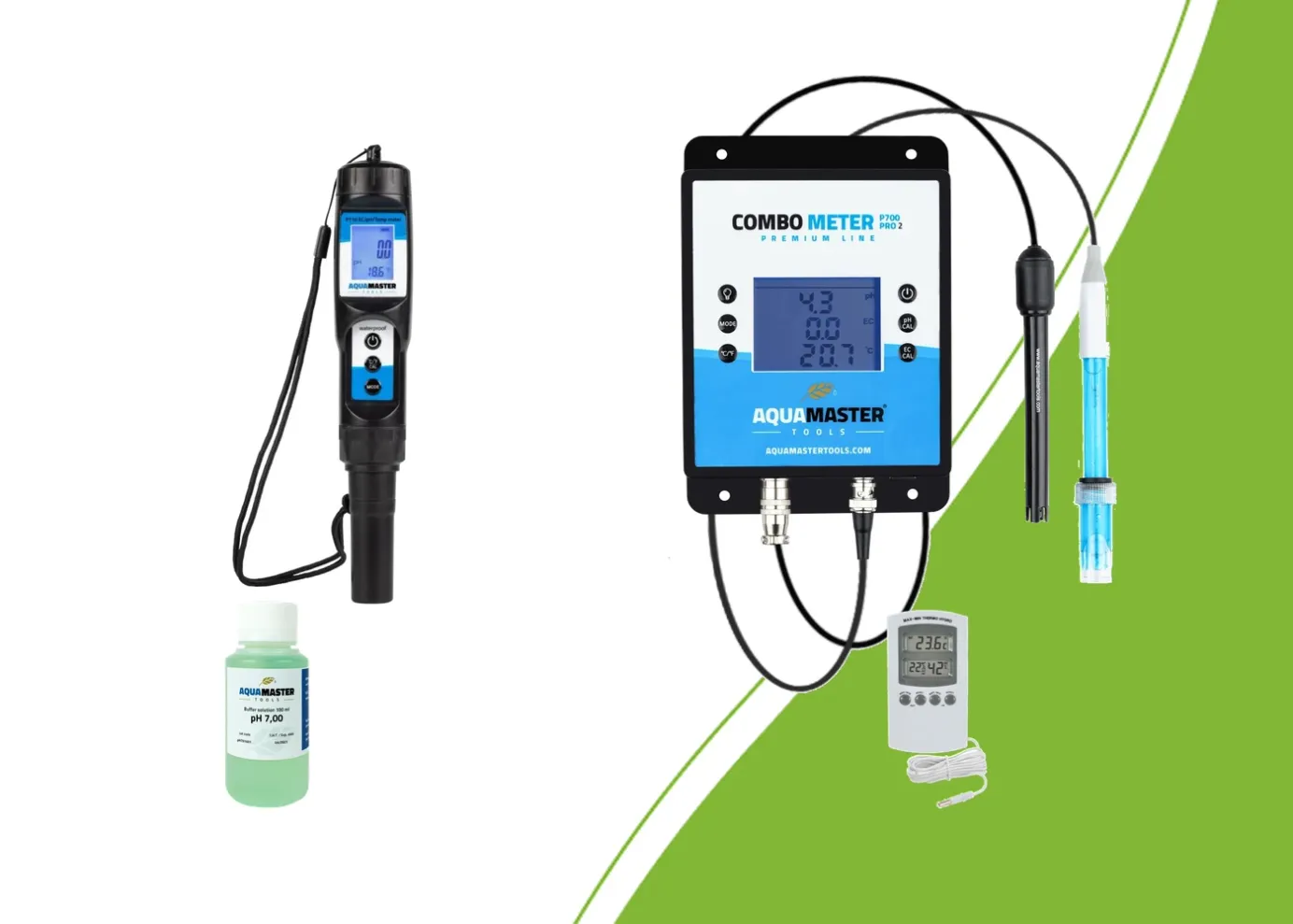
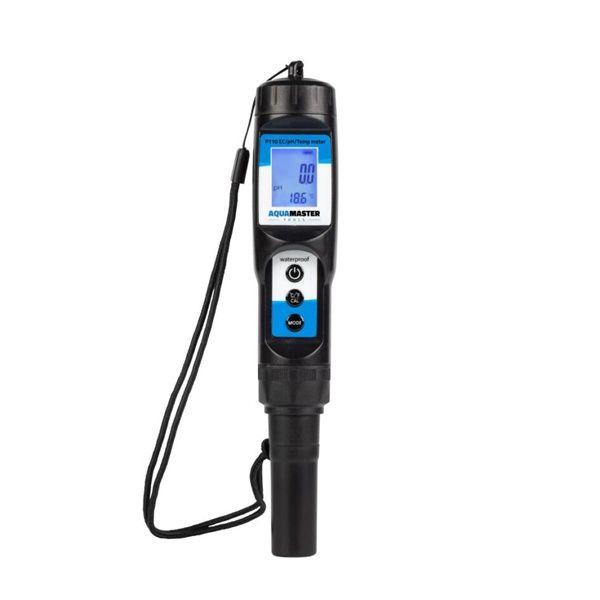
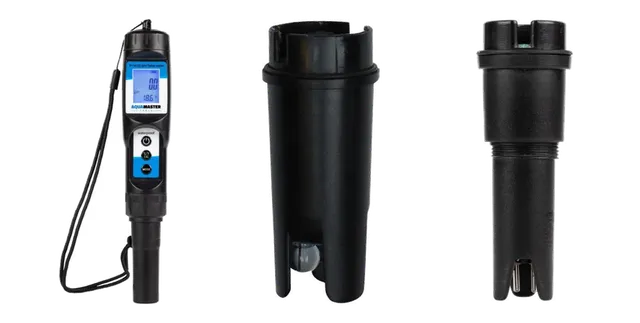
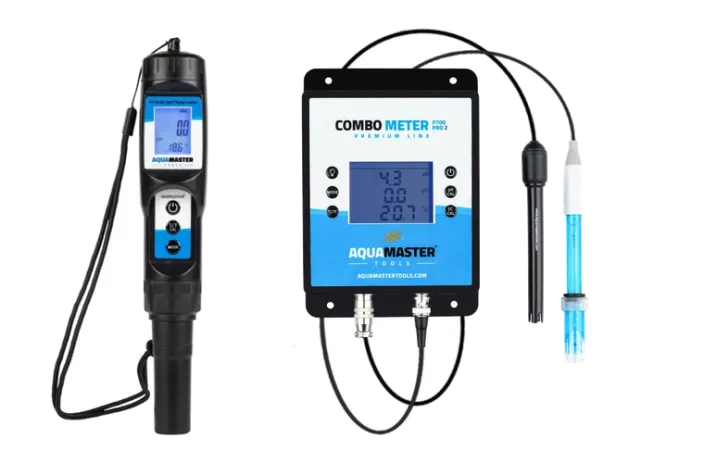
Aquamaster P110 Pro Combo pen - PH, EC en TEMP. meter - Waterproof
69.95
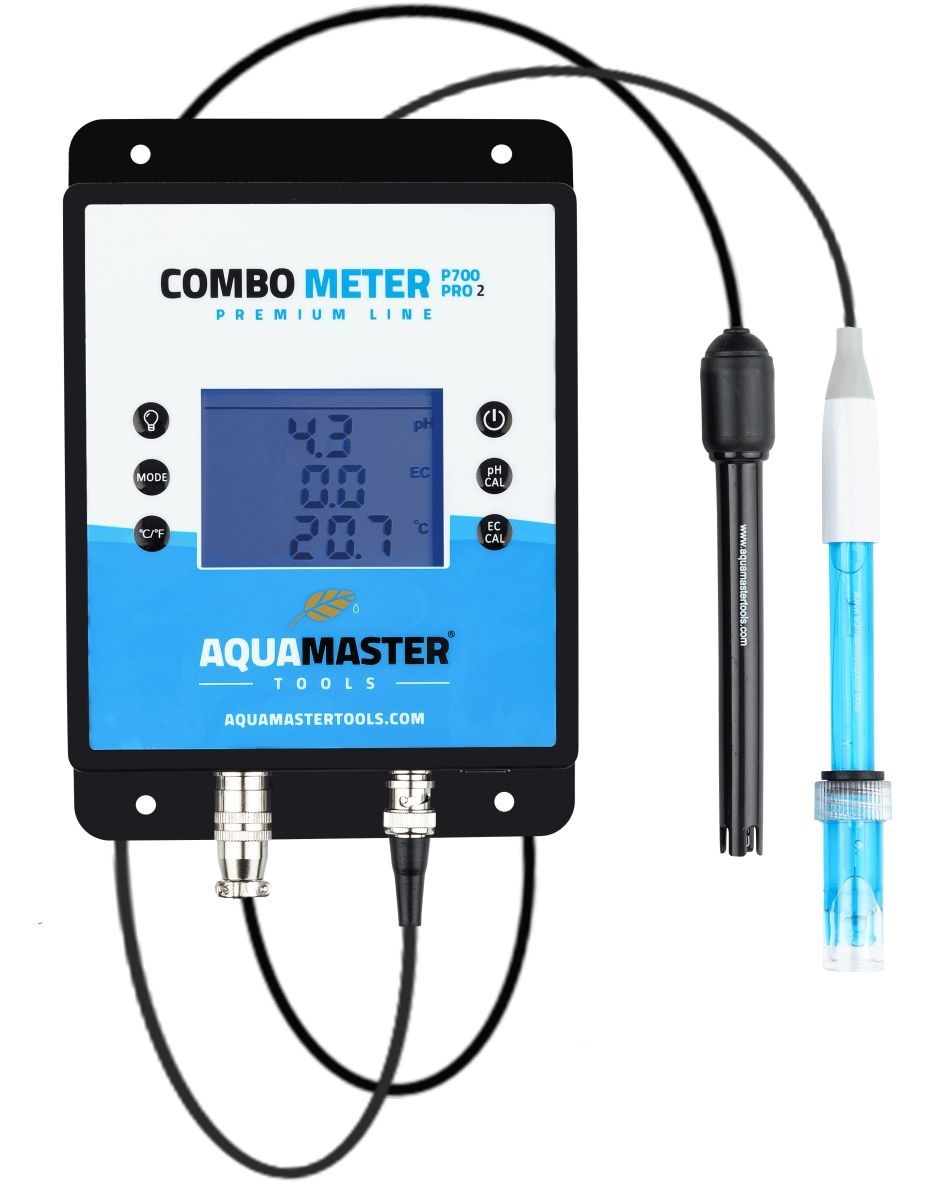
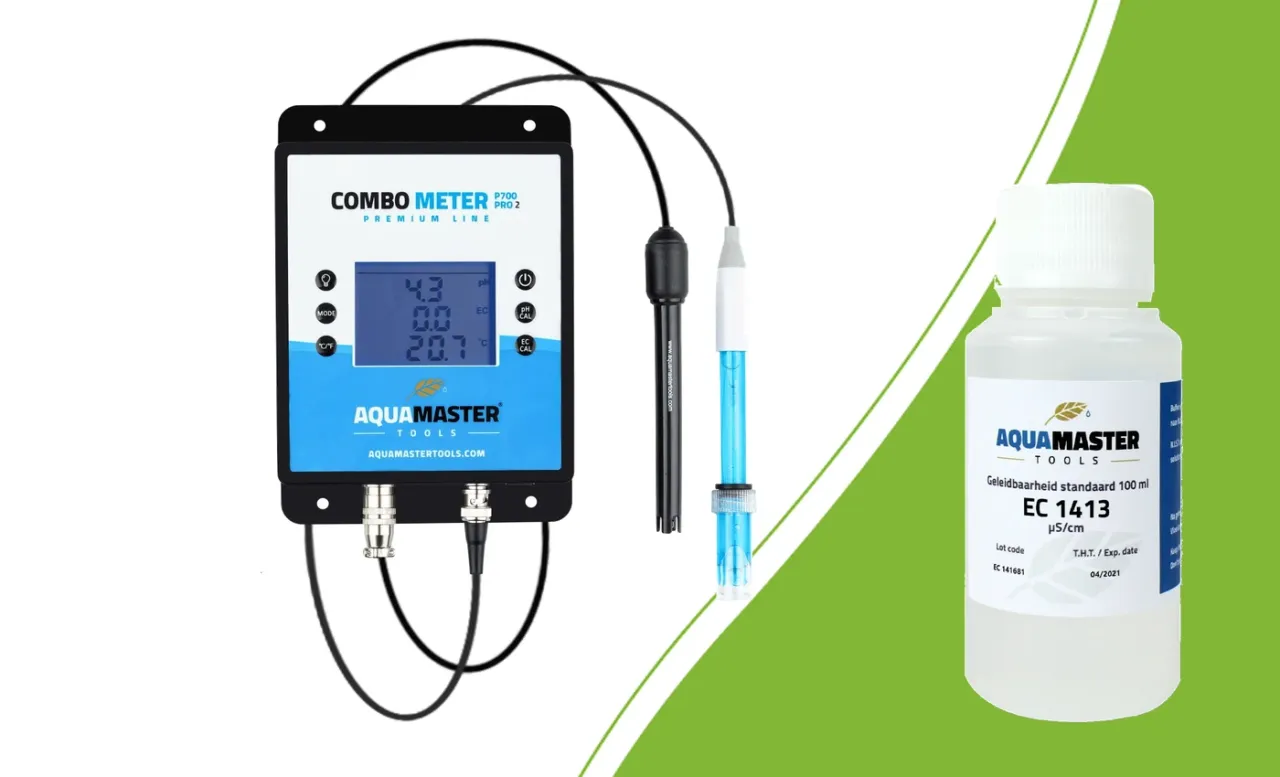
Aquamaster | Combo meter | P700 Pro2
178.95
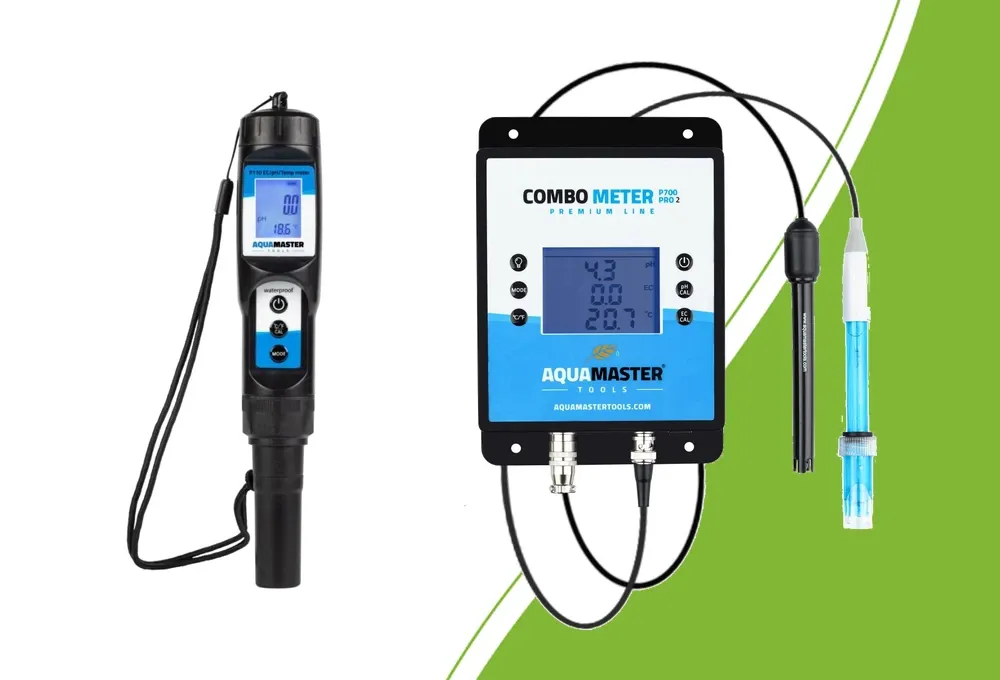
Use pH and EC for different checks. Choose a pen for spot readings or a combo meter with separate probes.
Browse pH and EC meters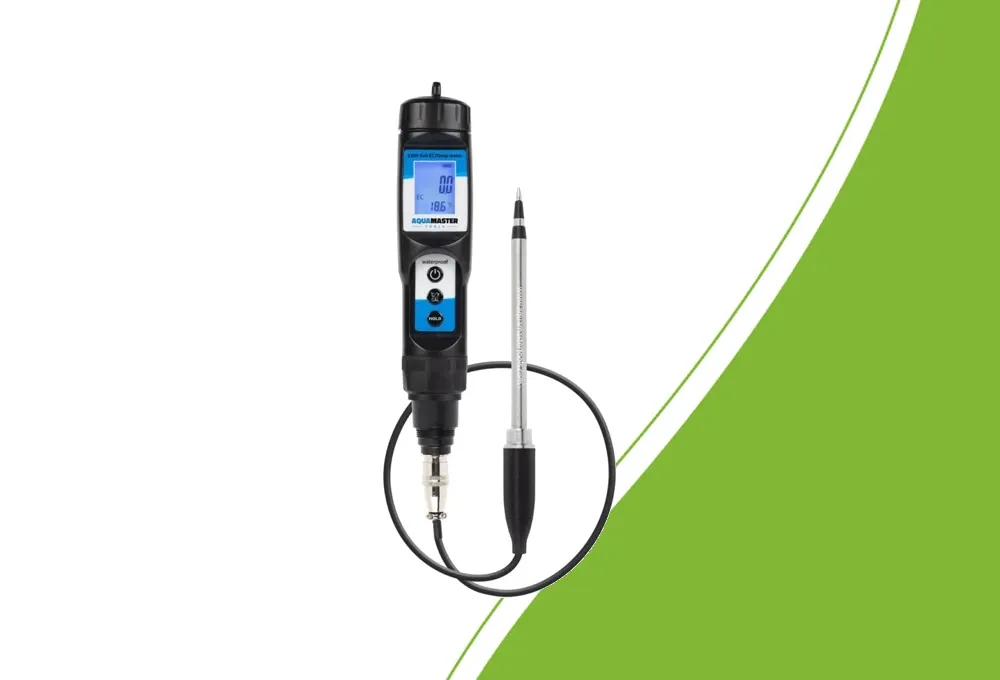
A liquid meter is not automatically a substrate meter. Choose a suitable probe and a consistent measurement method.
Browse substrate meters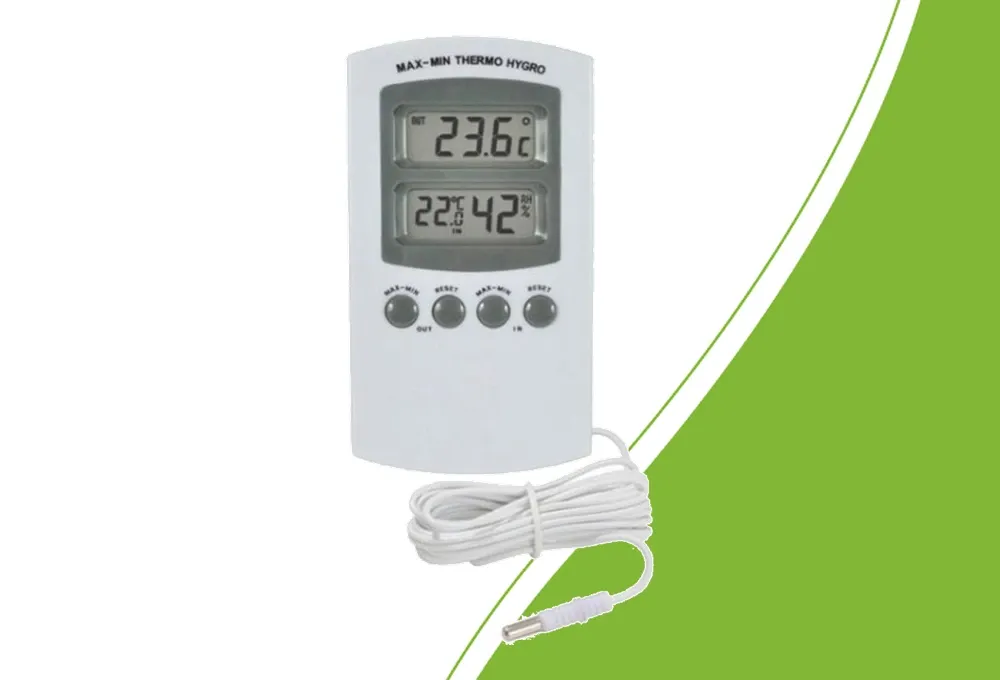
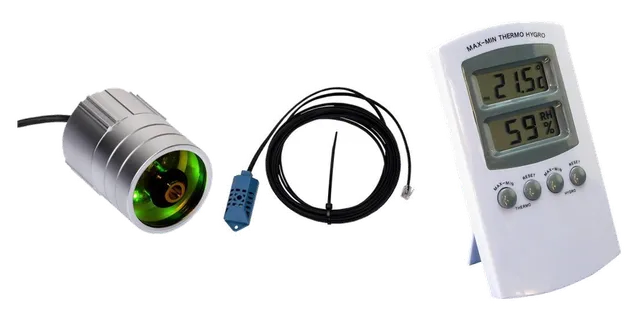
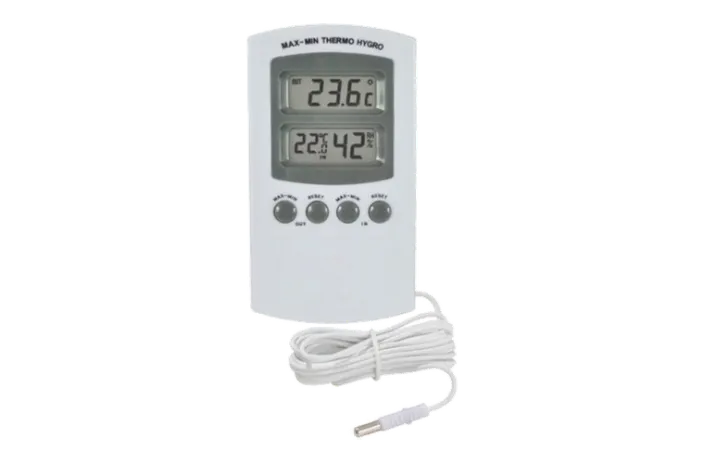
Measure temperature and relative humidity in a representative position. Check conditions with the lights off too.
Choose a thermo-hygrometer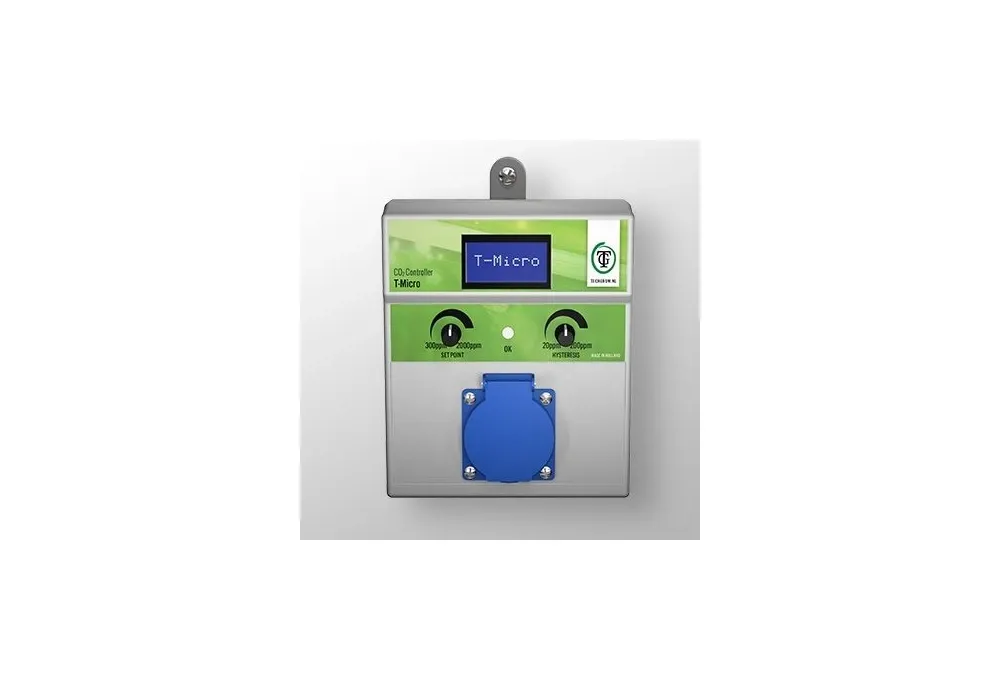
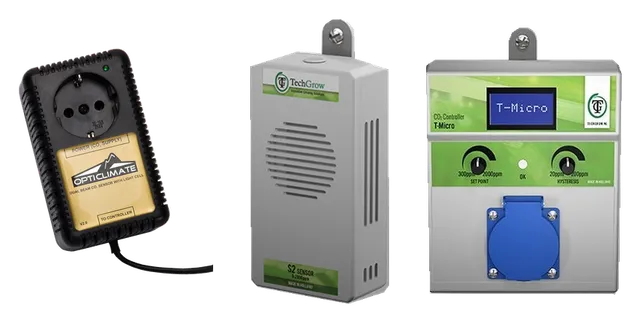
Check whether a sensor is included. A separate sensor needs a compatible display or controller to produce a usable reading.
Browse CO₂ meters and sensorsChoose the measurement medium, check your meter and prepare the right maintenance products. Our guide helps you match each step to your setup.
Convert mS/cm and µS/cm and check the ppm scale. Compare measurements using the same method and unit.
Read more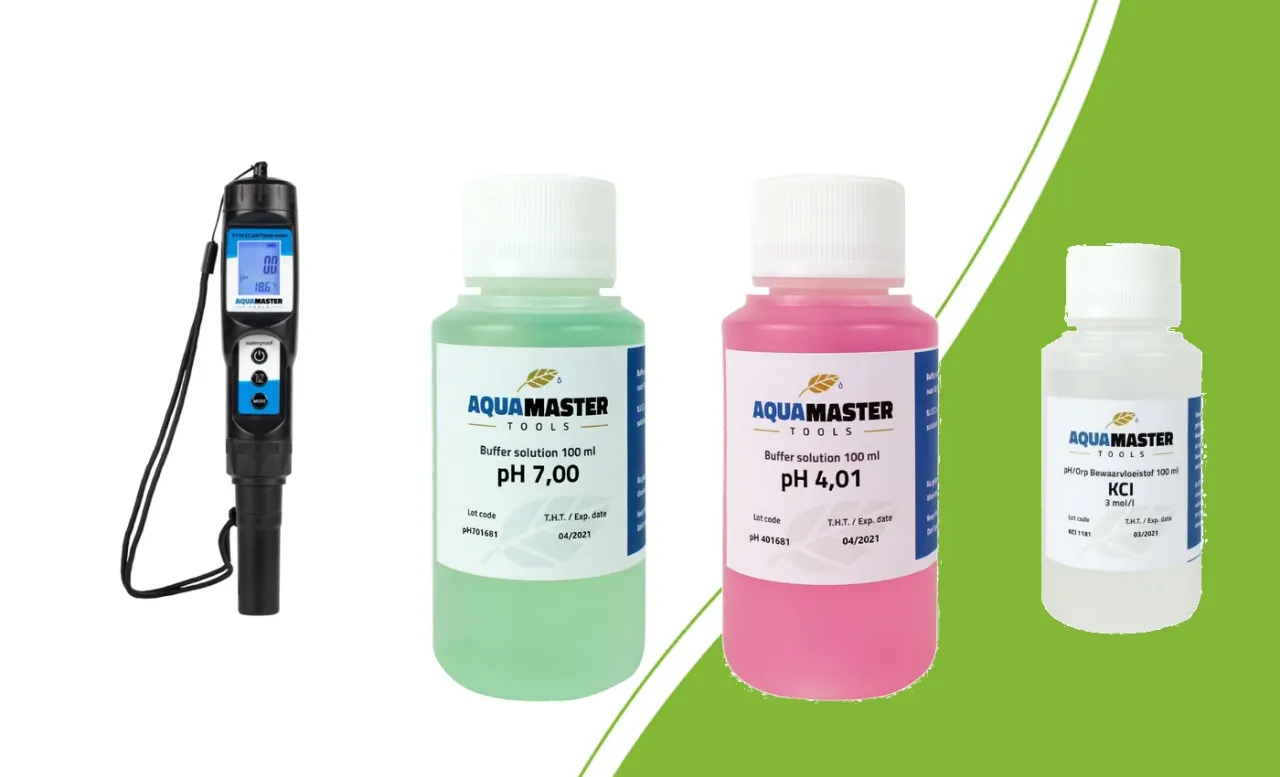
Choose suitable pH buffers and store your electrode correctly. Understand why wet and dry storage need different approaches.
Read more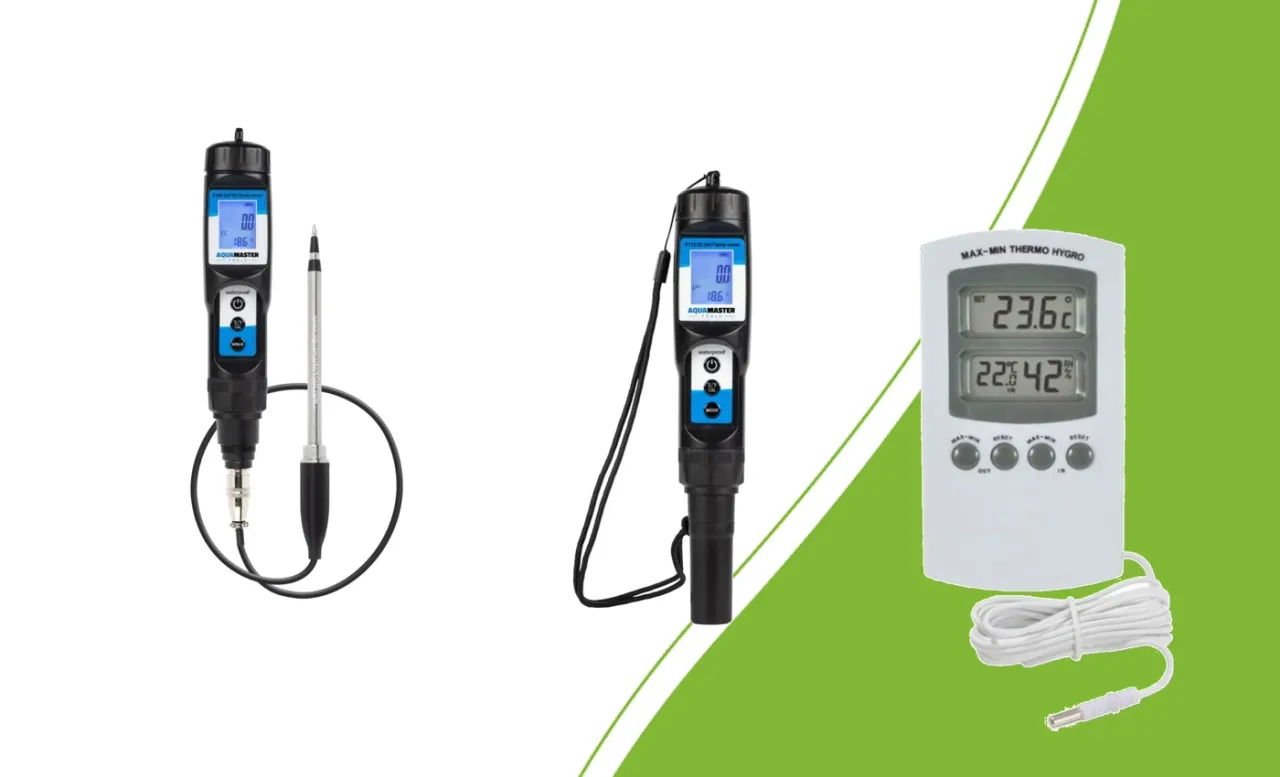
Choose the right meter for nutrient solution, substrate or air. Compare separate meters, combo pens and sensors.
Read moreTell us the measurement medium, your current meter and its exact model. We can help you choose a suitable meter, probe and maintenance products.

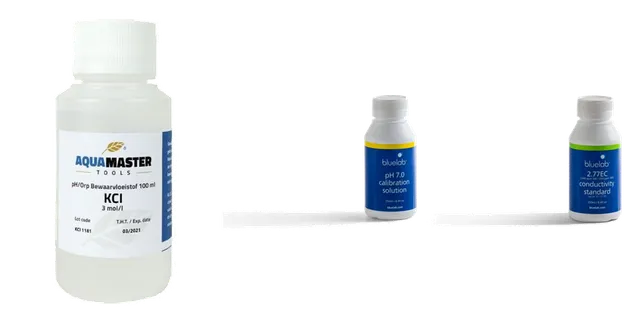
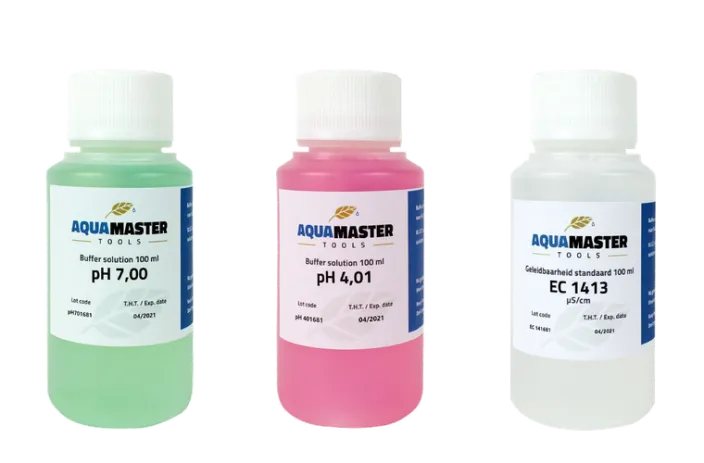
Choose pH buffers, EC references or storage solution to match your model’s procedure. The same bottle does not automatically suit every meter.
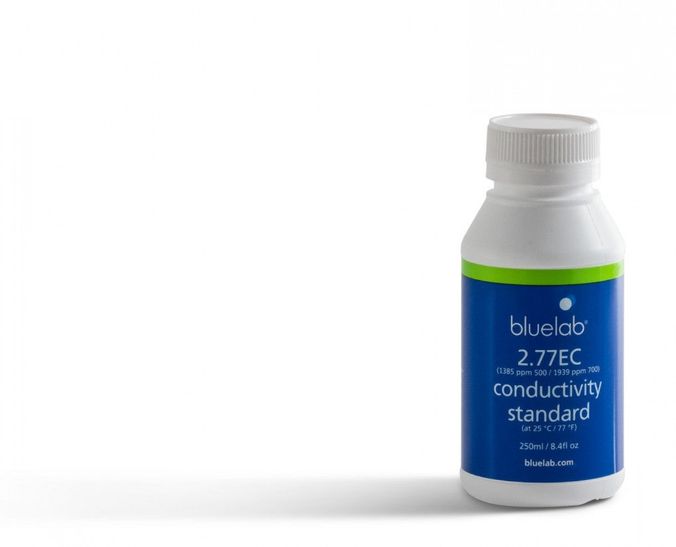
8.95
In stock
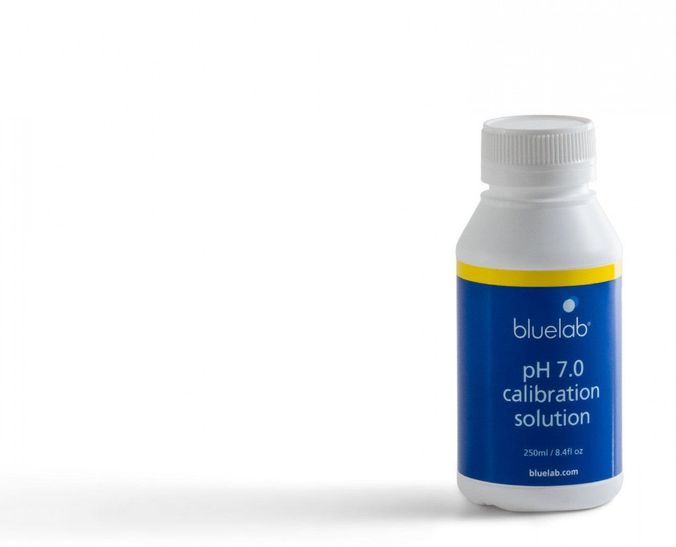
24.95
In stock
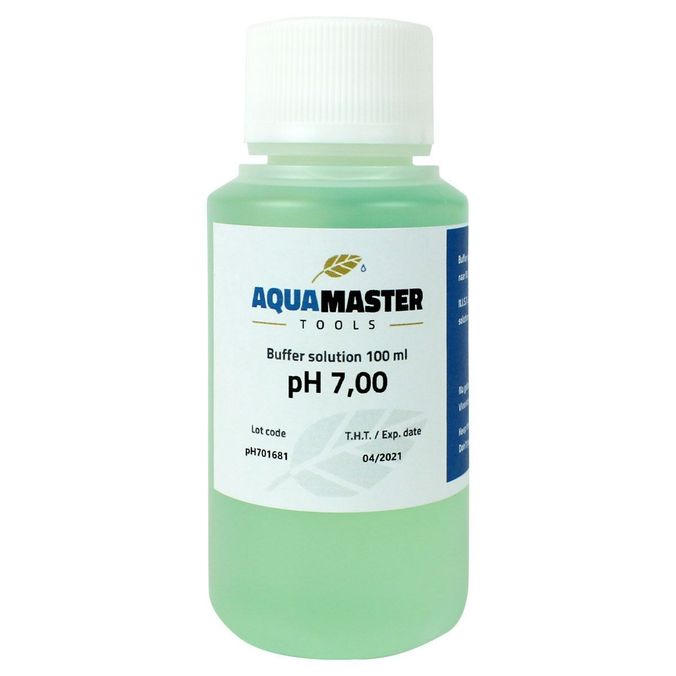
4.75
In stock
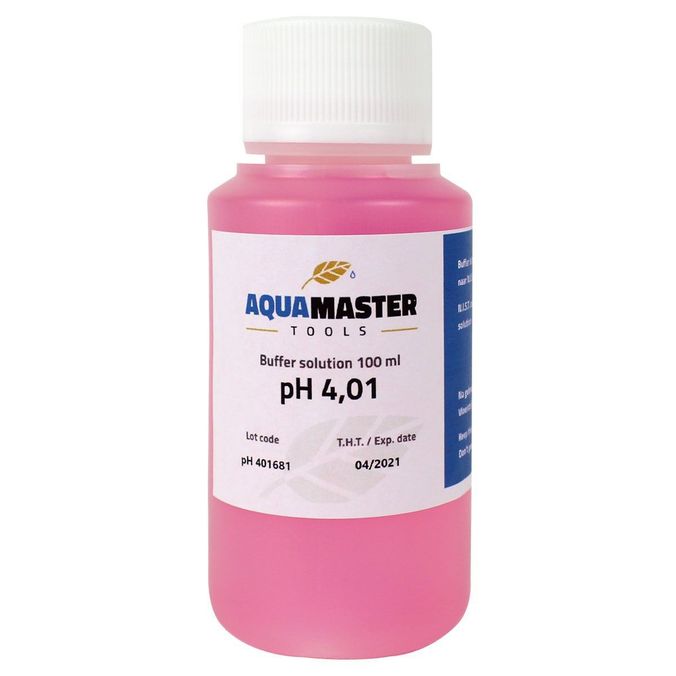
4.75
In stock
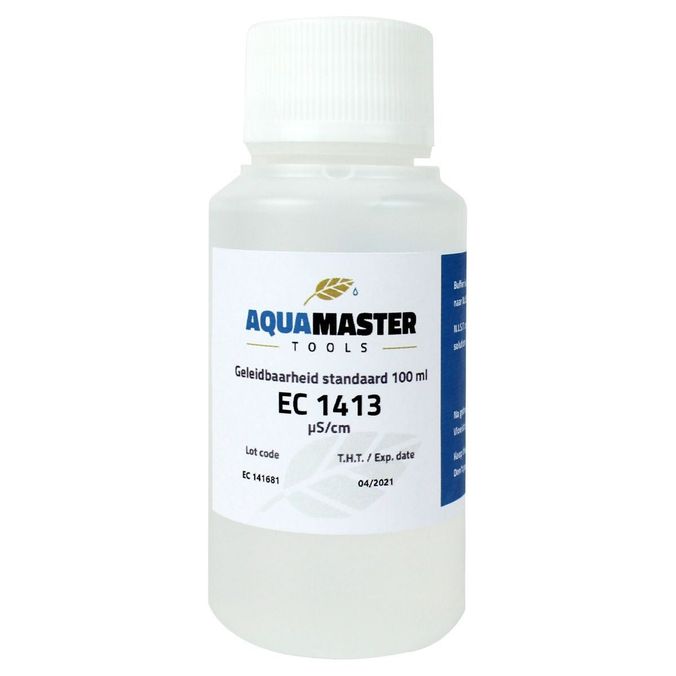
4.75
In stock
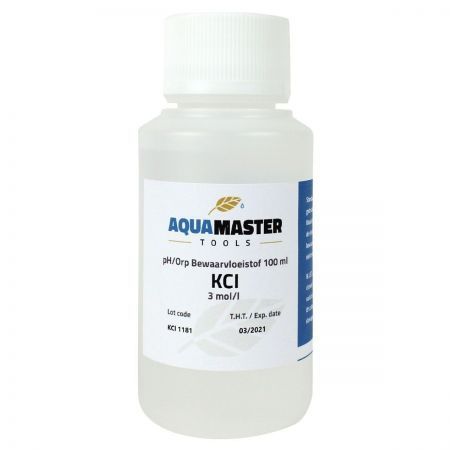
5.23
In stock
A liquid meter tests a different sample from a direct substrate probe. Decide whether you need to check nutrient solution, runoff, substrate or air. For pH and EC, choose between separate meters, a handheld combo pen and a combo meter with separate probes. The P110 Pro is a pen; the P700 Pro2 has a separate display unit and connected electrodes. Consider how you take readings, where you read the display and how you maintain the probes.
EC is often expressed in mS/cm or µS/cm: 1 mS/cm equals 1000 µS/cm. A ppm display uses a conversion factor, so readings on two meters are not automatically equivalent. Extra decimal places also do not prove a smaller measurement error. Compare range, resolution and accuracy separately.
Calibration adjusts the meter against a reference. A check reading shows whether the display still agrees with that reference. Storage solution protects electrodes designed for wet storage. Pour a small amount of reference solution into a clean container and never return used liquid to the bottle. Match care to the exact electrode type: a dry storage electrode needs a different approach from a Bluelab pH probe.
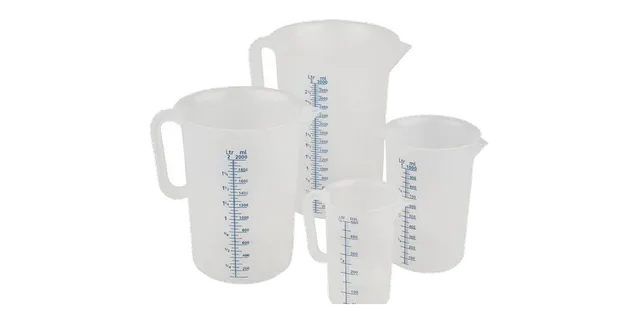
Record the time, position, unit and conditions. Compare temperature and humidity during light and dark periods. A separate sensor does not control equipment on its own; automatic control needs a suitable controller and connections. Use a suitable measuring jug for dosing and recheck the solution after mixing thoroughly.
pH & EC meters · Calibration solutions · Measuring jugs
Which meters do you need for water, substrate and air? · Calibrating a pH meter and storing its electrode · EC, mS/cm, µS/cm and ppm: compare readings correctly