1.26
In stock
Shipped within 1 day
Shipped within 1 day
14 days to return
Secure payment
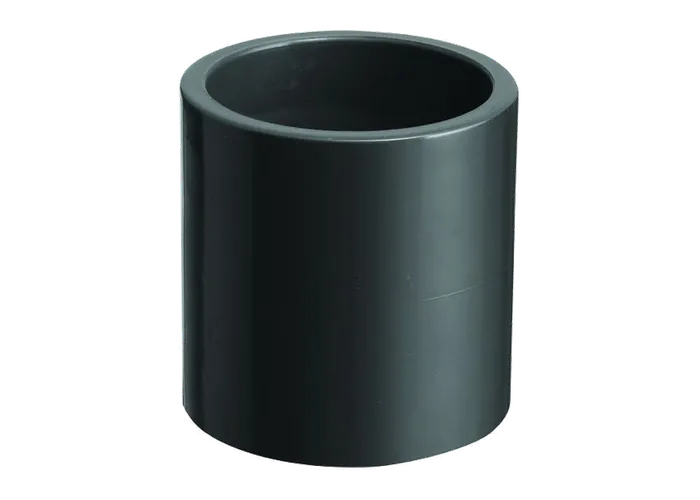
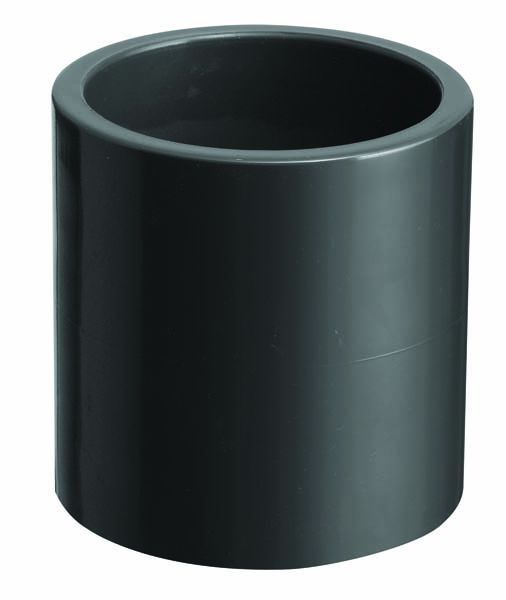
Build fixed irrigation pipework with matching PVC fittings. Choose a 32 mm socket, elbow or tee and plan where to isolate the water supply. We help you distinguish solvent sockets, 1 inch female threads and the sealing method each connection needs.
9 products
1.26
In stock
Shipped within 1 day
14 days to return
Secure payment
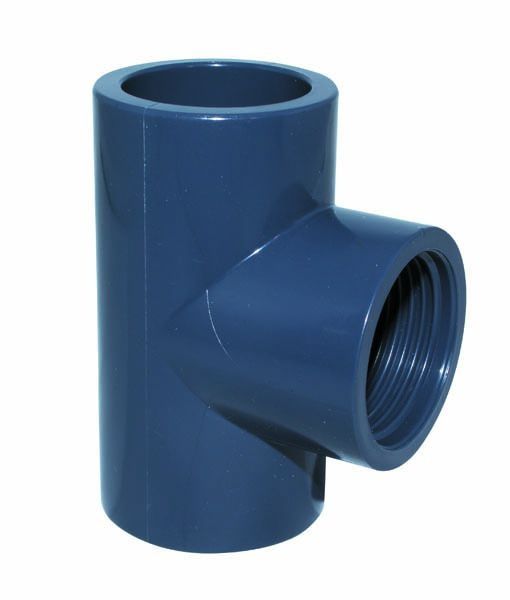
3.12
In stock
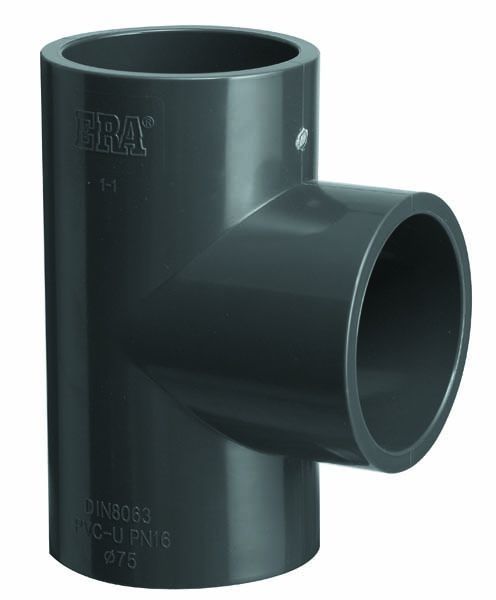
1.52
In stock
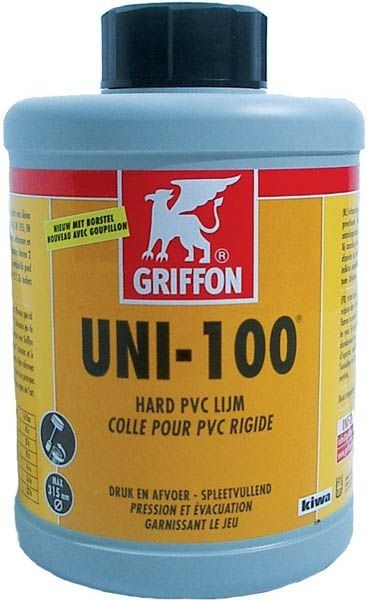
Thixotrope hard pvc-lijm, geschikt voor het verlijmen van hard pvc- buizen en -fittingen in zowel druk- als afvoersystemen met ruimere passingen. Ook geschikt voor het
Read more12.80
In stock
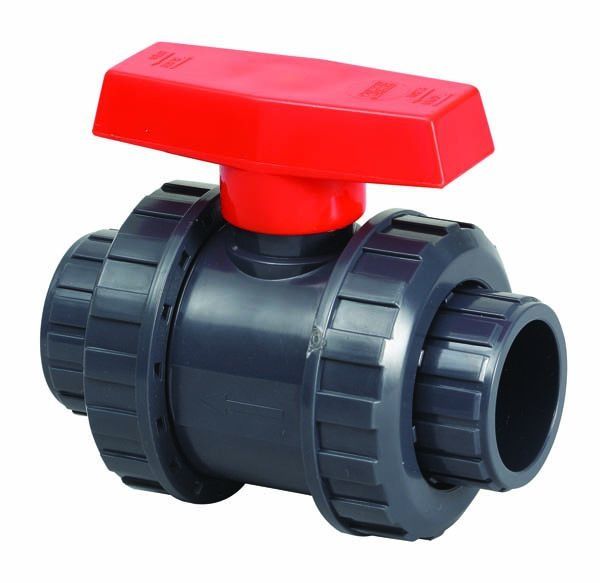
8.95
In stock
3.20
In stock
Shipped within 1 day
14 days to return
Secure payment
3.12
In stock
1.26
In stock
1.60
In stock
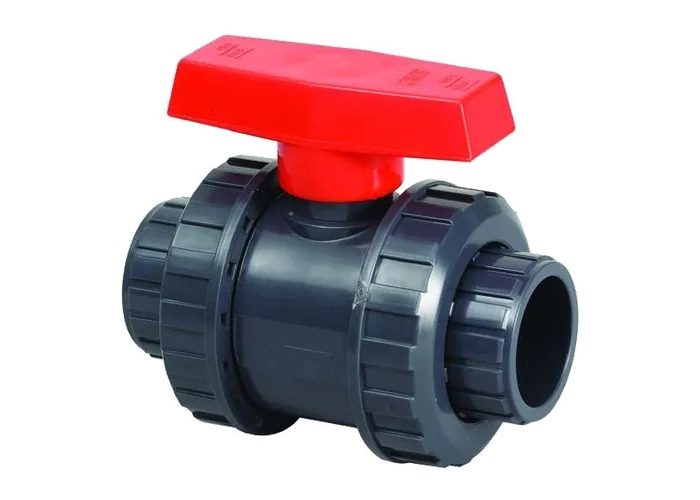
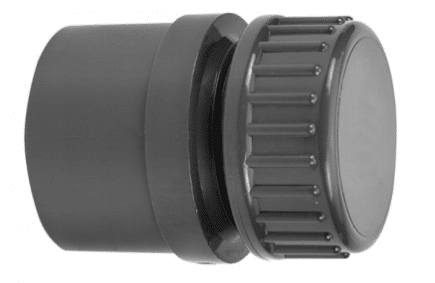
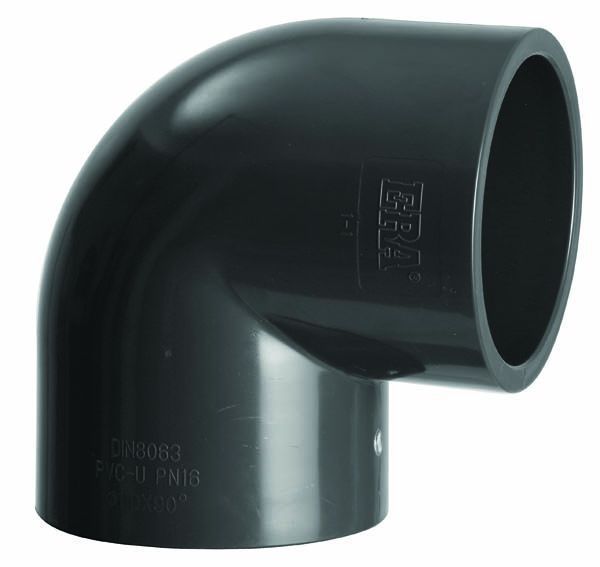
Start with the route of your water line. A socket joins a straight run, an elbow changes direction and a tee creates a branch. A 32 mm PVC ball valve lets you isolate a matching section. Plan its position before assembly so the handle remains accessible.
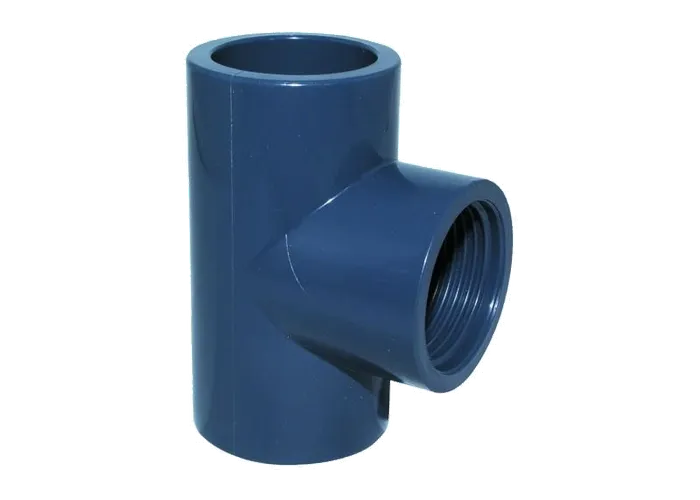
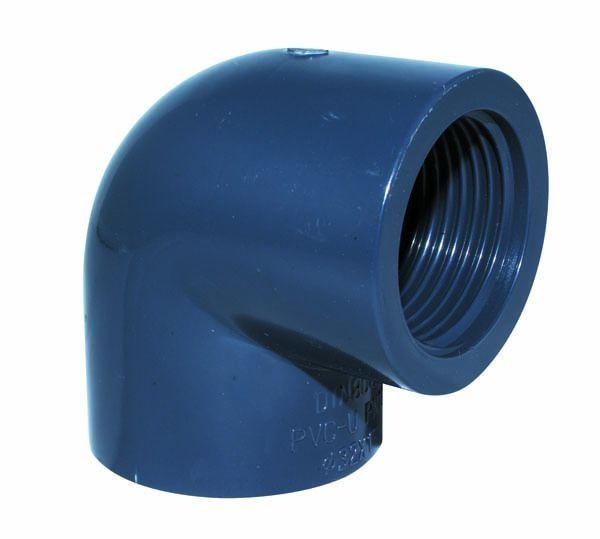
The range centres on 32 mm fittings. An elbow and tee with a 1 inch female thread provide a transition to a threaded connection. Check each connection separately: metric pipe size and nominal thread size describe different interfaces.
Match the pipe material as well as its size. A PVC solvent socket is not a universal connection for flexible PE pipe. Use a transition designed for both sides and for your operating conditions.
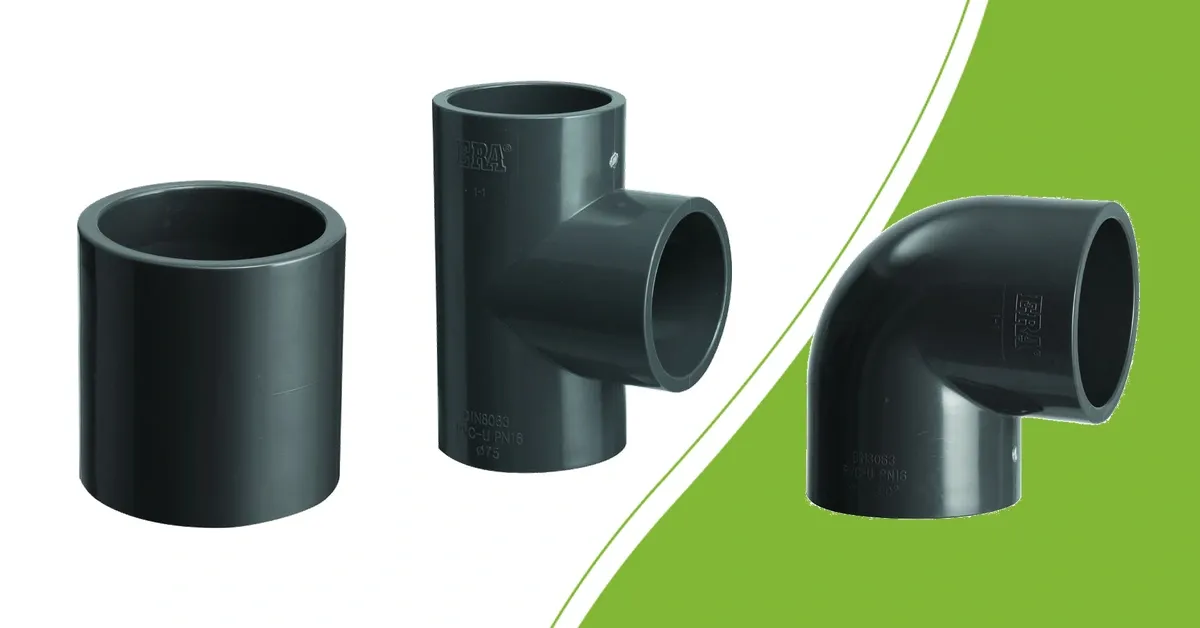
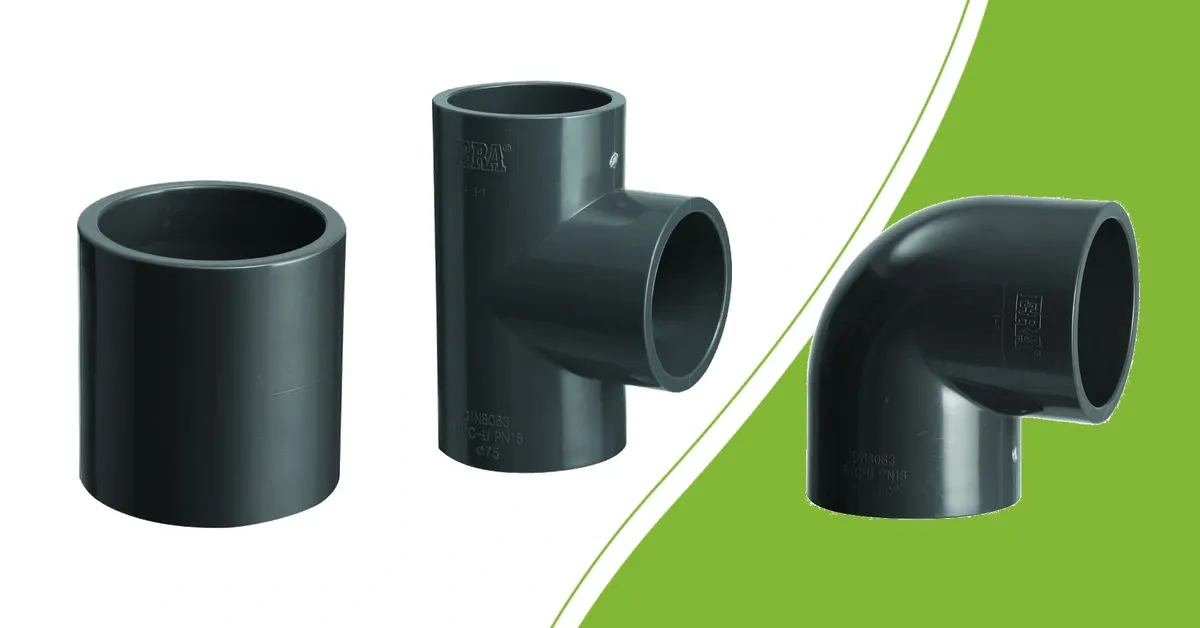
Measure the pipe and check thread and sealing method separately. Understand 32 mm PVC and 1 inch threaded connections.
Read more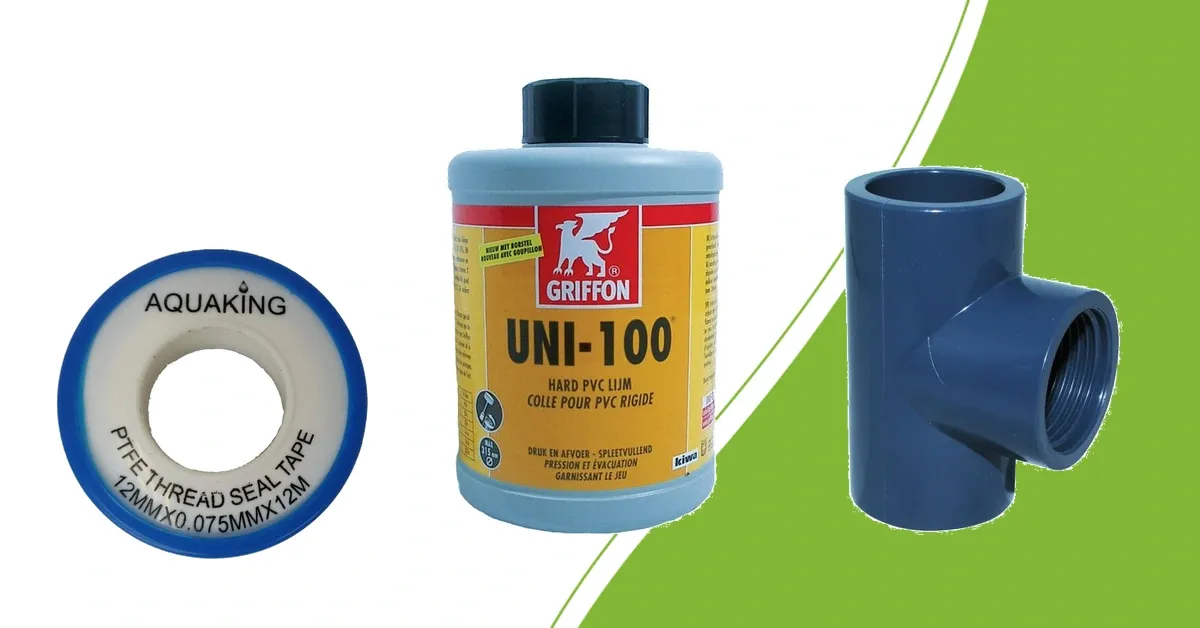
Identify solvent sockets and threaded joints, prepare the surfaces and check seals and curing before using the system.
Read moreTell us the pipe size, connection type and application. A photo of the existing fitting helps us give focused advice.
Pipe size and material
Male or female thread
Application and existing connection

For a metric PVC solvent joint, match the fitting to the outside diameter of the compatible pipe. The 32 mm designation does not describe the clear opening inside the fitting. A 1 inch pipe thread has a nominal size; do not treat it as a 25.4 mm metric pipe connection.
For a transition, check male or female thread, thread type and sealing method too. Size alone does not confirm suitability for the pressure, temperature or liquid in your system.
A solvent joint needs suitable rigid-PVC cement, clean and dry contact surfaces and the correct fit. Cut the pipe square, deburr the end and mark the insertion depth. Follow the cement’s working and curing times before loading the pipework.
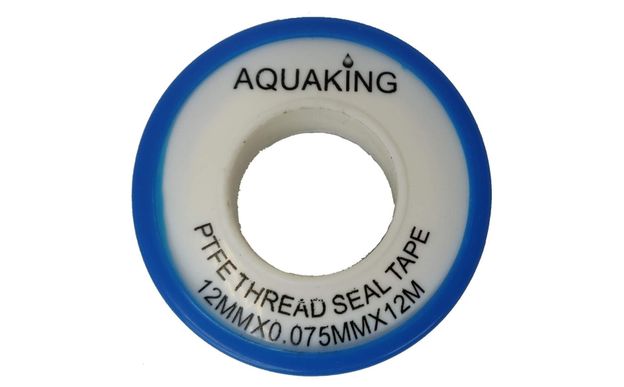
A threaded joint may need a suitable thread seal; a connection with a sealing ring seals at that ring. Use PTFE tape only where the connection permits it. Cement or extra tape cannot correct the wrong size.
'%3e%3cpath%20d='M256.193%20190.454C144.428%20312.692%20176.479%20435.669%20204.6%20468.797L229.582%20505.181L432.232%20301.591L577.639%2059.206C506.006%201.2884%20365.694%20-109.814%20377.511%20-90.8845C392.282%20-67.2222%20395.898%2037.6564%20256.193%20190.454Z'%20fill='%2382B735'/%3e%3cpath%20d='M251.193%20182.454C139.428%20304.692%20171.479%20427.669%20199.6%20460.797L224.582%20497.181L427.232%20293.591L572.639%2051.206C501.006%20-6.7116%20360.694%20-117.814%20372.511%20-98.8845C387.282%20-75.2222%20390.898%2029.6564%20251.193%20182.454Z'%20stroke='%2382B735'/%3e%3c/g%3e%3cdefs%3e%3cclipPath%20id='clip0_4018_1967'%3e%3crect%20width='456'%20height='238'%20fill='white'/%3e%3c/clipPath%3e%3c/defs%3e%3c/svg%3e)