


Manual or timed watering: which approach suits your setup?
A schedule helps repeat watering, but does not decide how much your plants need. Compare manual and timed delivery by observation, preparation and maintenance.
When manual watering makes sense
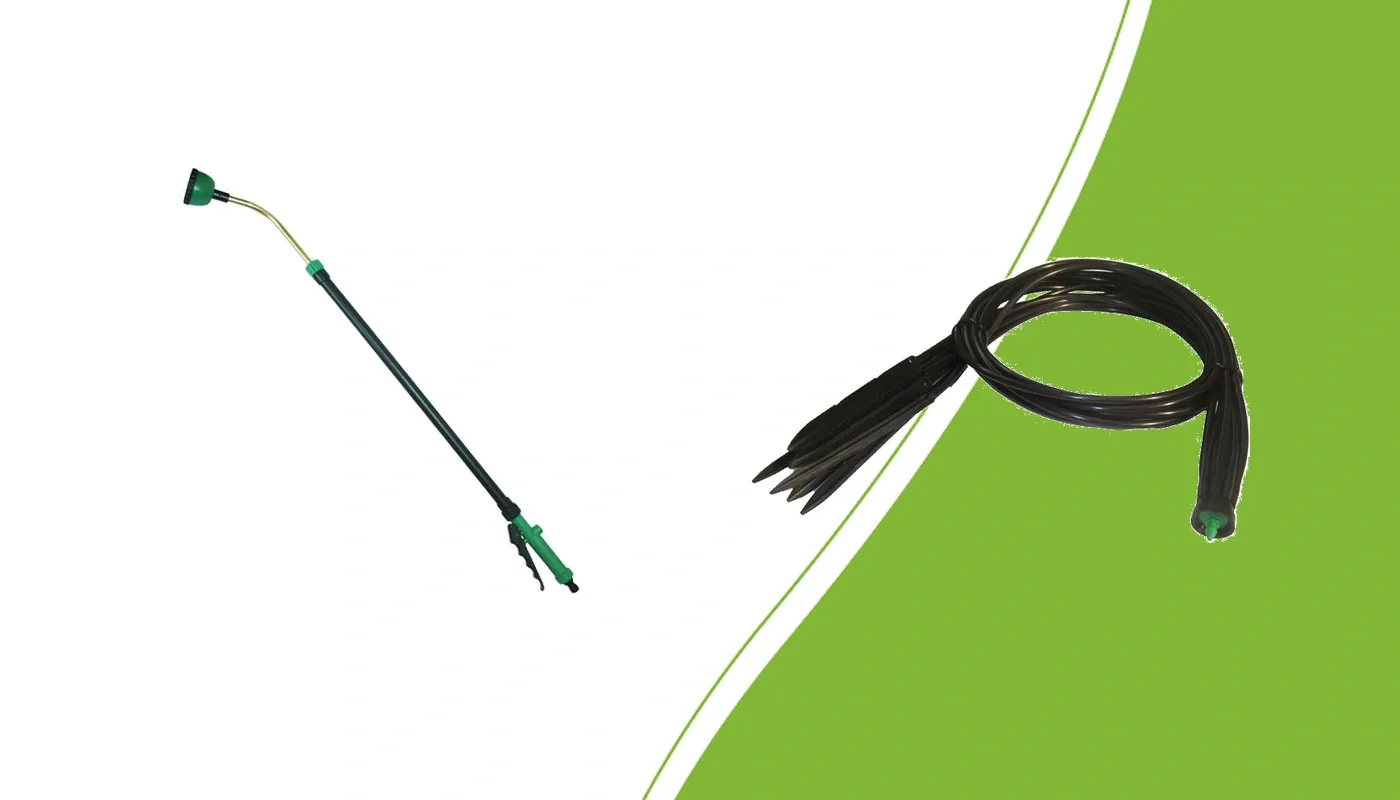
With a manageable number of pots, you can assess each one and adjust its water supply immediately. A hose and watering lance help direct the water. Check sizes and connections, and apply water gradually so you can observe how the substrate responds.
Manual watering needs your presence. It makes observation straightforward, but still needs a consistent routine. Look beyond a dry surface: assess moisture and pot weight in the context of the substrate. Explore Garden hoses & fittings for the route and connections.
What a schedule controls
Time control repeats a set start and running time. It does not automatically measure plant demand. The same minutes can deliver a different amount when pressure, tank level or an outlet changes. Timed delivery therefore starts with a tested installation.
Match the switching device to the equipment and its electrical load. This guide does not choose a universal timer or compatible pump for you. Use the exact equipment documentation and record the controls, including how to stop watering immediately.
Measure water before choosing minutes
Place collection cups under different outlets and run each for the same time. Compare delivery near the start and end of the route. Resolve large differences before increasing duration. Choose Sprinklers & drippers by flow and operating pressure.
For example, a measured flow of 2 litres per hour delivers 0.5 litres in 15 minutes. This is a calculation, not a recommended dose for a plant. Suitability depends on substrate, pot, plant and conditions. Read Drip irrigation: calculate and check water volume for calculation and checks.
Keep checking after setting a schedule
During the first cycles, check delivery, leaks, water level and pot moisture. Drainage and moisture changes help you judge whether the dose suits the plants. Avoid leaving pots standing in drainage water and adjust settings as plants or conditions change.
A schedule does not remove maintenance. Keep the tank, inlet, filter and outlets in good condition. Check again after changing or cleaning the system. Use Uneven irrigation delivery: check your setup step by step when outlets become uneven and Plan an irrigation setup: from tank to dripper to map the whole route.