

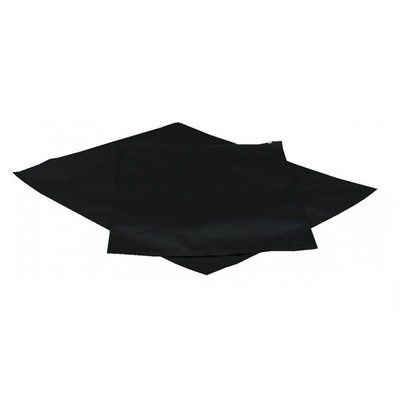
Aluminium strijkzak, 91x130cm
0 reviews0 out of 5 stars
Deze Aluminium strijkzakken zijn perfect om uw product volledig droog geurvrij te verpakken. Met een heet strijkijzer of speciaal seal apparaat kunnen de zakken op
Read more3.45
In stock
Shipped within 1 day
Shipped within 1 day
14 days to return
Secure payment
Aluminium heat-seal bags let you pack dry material and close the opening with heat. Choose from 30 × 40, 45 × 56, 56 × 91 and 91 × 130 cm. We help you select a size with room for both your contents and a flat sealing edge.
4 products
Deze Aluminium strijkzakken zijn perfect om uw product volledig droog geurvrij te verpakken. Met een heet strijkijzer of speciaal seal apparaat kunnen de zakken op
Read more3.45
In stock
Shipped within 1 day
14 days to return
Secure payment
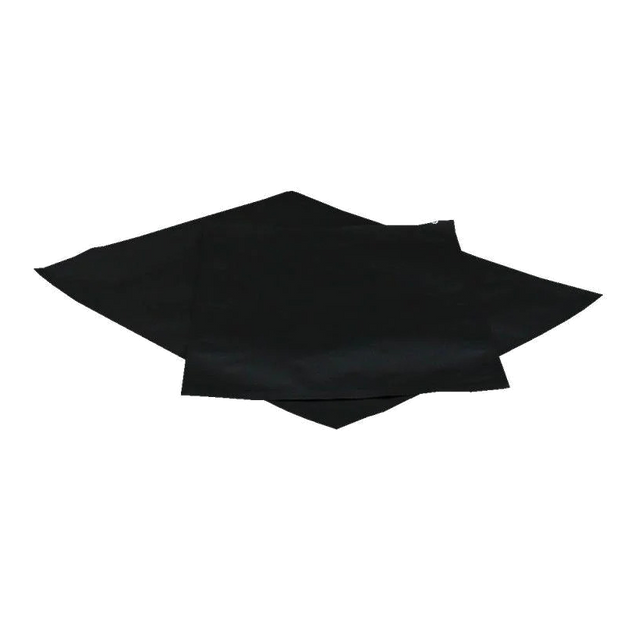
Deze Aluminium strijkzakken zijn perfect om uw product volledig droog geurvrij te verpakken. Met een heet strijkijzer of speciaal seal apparaat kunnen de zakken op
Read more2.25
In stock
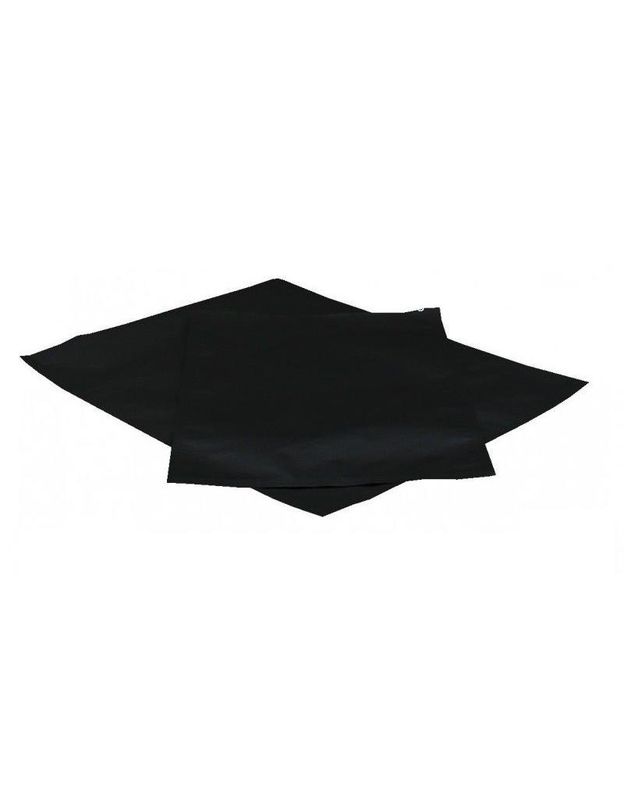
Deze Aluminium strijkzakken zijn perfect om uw product volledig droog geurvrij te verpakken. Met een heet strijkijzer of speciaal seal apparaat kunnen de zakken op
Read more1.50
In stock
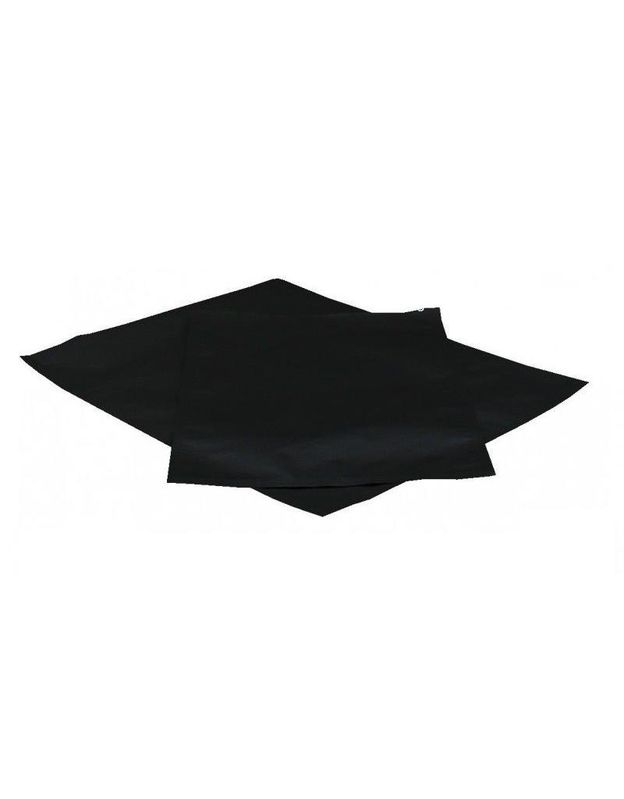
Deze Aluminium strijkzakken zijn perfect om uw product volledig droog geurvrij te verpakken. Met een heet strijkijzer of speciaal seal apparaat kunnen de zakken op
Read more0.99
In stock
Start with what you want to pack. Measure the contents in the shape they will take inside the bag and leave space around them. You need a flat, clear strip at the top to seal the opening. A bag that only just fits the contents gives you little room to work.
30 × 40 cm is the most compact size. For more space, compare 45 × 56 cm and 56 × 91 cm. 91 × 130 cm is the largest option. Choose by the dimensions of your contents rather than a fixed weight or litre capacity: volume and shape vary between materials.
Weigh portions first with weighing scales, then choose a suitable bag. Keep the sealing edge clear instead of filling the bag to the top. This leaves room to lay the opening flat.
| Size | Position in the range | What to check |
|---|---|---|
| 30 × 40 cm | Most compact option | Leave room above and beside the contents |
| 45 × 56 cm | Larger than 30 × 40 cm | Measure the contents as they will be packed |
| 56 × 91 cm | More space than 45 × 56 cm | Keep the sealing edge clear |
| 91 × 130 cm | Largest option | Allow enough workspace to lay the opening flat |
These bags close with heat from an iron or a suitable heat sealer. Flatten the opening and keep the sealing strip clean and free of material. Creases, dust or material between the layers can interrupt a continuous seal.
Set temperature, pressure and contact time using the instructions for the bag and your sealing equipment. A single temperature setting is not suitable for every bag. After sealing, check the entire opening for gaps, uneven sections and damage.
A sealed bag does not provide airflow for material to continue drying. Finish drying before packing it. Use a drying net for that earlier step and spread the material with space between it.
Pack on a clean, dry work surface. If you need to use small amounts regularly, divide the material into suitable portions. Explore packaging and storage for more packing options.
Tell us the dimensions of your contents and how you plan to seal the bag. We can help you choose a suitable size.
Measure the contents before ordering
Leave space for the sealing edge
Check your sealing equipment
